Planning an African safari is more than just choosing a destination; timing plays a critical role in shaping your wildlife experience. Africa’s ecosystems, from savannahs to wetlands, have seasonal patterns that affect animal behavior, visibility, and accessibility. Choosing the right season ensures you can witness iconic wildlife events like the Great Migration, spot the Big Five with ease, and enjoy immersive activities such as game drives, walking safaris, and hot air balloon excursions. Whether you prefer dry, predictable conditions or lush, green landscapes with newborn animals, understanding the seasonal rhythms of Africa is essential for an unforgettable safari adventure.
Discover the Dry Season – Optimal Wildlife Viewing Across Africa
The dry season is the most popular time to visit African safari parks because wildlife congregates near water sources, making animal sightings much easier. Reduced vegetation enhances visibility, allowing travelers to spot lions, elephants, leopards, rhinos, buffalo, and other iconic species from a distance. For first-time safari-goers, this is the perfect opportunity to experience the Big Five and observe predator-prey interactions in open plains.
Across most East and Southern African parks, the dry season runs from June to October. During this period, parks such as Kruger National Park in South Africa, Serengeti National Park in Tanzania, and Chobe National Park in Botswana offer predictable wildlife sightings and ideal road conditions for game drives. Visitors can enjoy classic guided safaris, self-drive experiences, walking safaris, and photography tours. The dry season ensures that every adventure, from a luxury lodge stay to a hot air balloon ride over the Serengeti, provides maximum wildlife visibility and photographic opportunities.
Experience the Wet Season – Lush Landscapes and Baby Animals
The wet season, typically November to March, offers a different safari experience. While some roads may be muddy or less accessible, the landscape transforms into lush, green scenery, attracting migratory birds and bringing dramatic life to Africa’s plains. This is also the time when many species give birth, making it possible to witness newborn zebras, wildebeest, and antelopes, along with their attentive predators. Birdwatchers will find this season especially rewarding, as migratory species arrive in abundance.
Safari activities during the wet season include bush walks, birdwatching safaris, photography tours, and cultural visits with local communities. The fresh, vibrant environment creates unforgettable photographic opportunities, and fewer tourists mean a more private and immersive safari experience. While visibility for some large predators may be lower than in the dry season, the wet season offers unique wildlife interactions that cannot be experienced at any other time of the year.
Discover the Great Migration – Africa’s Iconic Wildlife Event
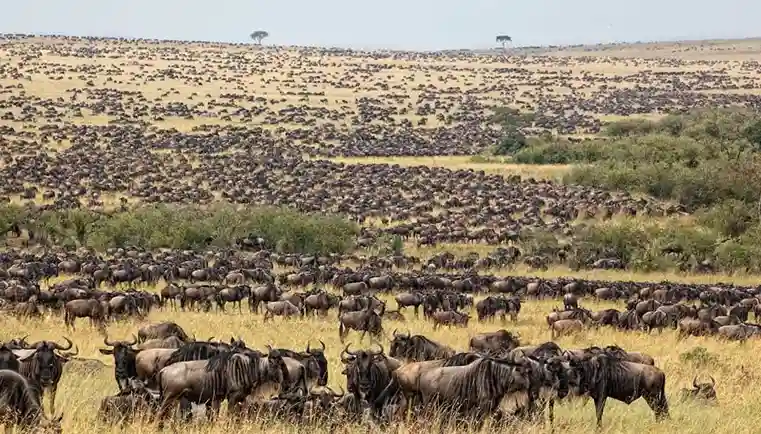
No African safari discussion is complete without the Great Migration, one of the world’s most extraordinary wildlife spectacles. Each year, over two million wildebeest, zebras, and gazelles move between the Serengeti in Tanzania and the Maasai Mara in Kenya in search of fresh grazing. The migration includes dramatic river crossings and predator encounters, offering wildlife enthusiasts breathtaking sights that are impossible to replicate anywhere else in the world.
The best time to witness the Great Migration depends on the location and event you want to see. January to March is ideal for calving season in the southern Serengeti, when thousands of newborn animals attract predators and provide incredible wildlife drama. June to October is the peak time for the northern migration and the Mara River crossings, where crocodiles lurk and lions and leopards hunt in full view. Activities during this time include game drives focused on river crossings, guided safaris, and hot air balloon experiences over the plains, providing once-in-a-lifetime photographic opportunities.
Explore Southern Africa – Dry Season Highlights
Southern African safari destinations, including Kruger National Park in South Africa, Chobe National Park in Botswana, Hwange National Park in Zimbabwe, and the Okavango Delta, offer some of the continent’s best dry season wildlife experiences. Water scarcity during these months draws elephants, buffalo, lions, and other large mammals to rivers and waterholes, making them easier to observe. For first-time safari-goers, Southern Africa provides accessible and reliable Big Five sightings with excellent safari infrastructure.
The dry season in Southern Africa typically lasts from May to October, when game drives, guided walking safaris, mokoro canoe trips in the Okavango Delta, and photographic safaris can be enjoyed in ideal conditions. Visitors will experience a mix of high-density wildlife sightings and luxurious lodges or camping adventures, all while exploring diverse ecosystems from arid savannahs to lush wetlands.
Discover East Africa – Wet vs. Dry Season Experiences
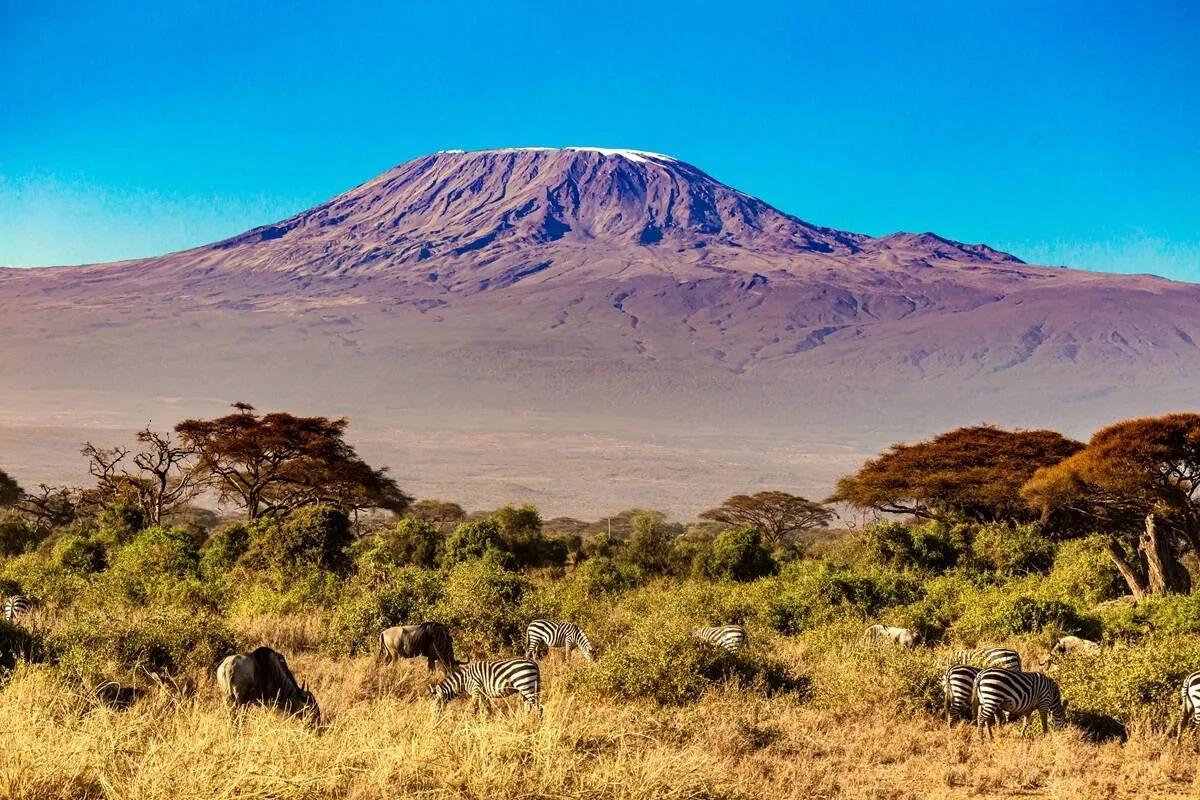
East African safari parks, including Serengeti, Ngorongoro Crater, and Maasai Mara, offer unique experiences depending on the season. During the dry season, wildlife is easier to spot as animals congregate around water sources. In the wet season, the landscape becomes vibrant and green, attracting migratory birds and newborn wildlife, providing rich photographic and cultural experiences.
The dry season in East Africa runs from June to October, while the wet season extends from November to May, including short and long rain periods. Safari activities include game drives, hot air balloon safaris, guided bush walks, and cultural interactions with Maasai communities. Both seasons provide unforgettable encounters, but the choice depends on whether visitors prioritize wildlife visibility or lush scenery and active wildlife behavior.
Experience Lesser-Known Parks Year-Round
For travelers seeking a more secluded safari experience, remote parks like Ruaha National Park in Tanzania, Mana Pools in Zimbabwe, and Damaraland in Namibia offer excellent wildlife viewing with fewer crowds. While timing is important for road accessibility and water availability, these destinations provide intimate encounters with iconic African wildlife, including elephants, lions, and rhinos.
- Ruaha National Park: July to October during the dry season ensures animals are easier to track and view.
- Mana Pools National Park: May to October is ideal for walking and canoe safaris along the Zambezi River.
- Damaraland: Accessible year-round, with June to October providing optimal wildlife and road conditions.
Activities in these parks focus on walking safaris, canoe excursions, and immersive photographic tours, allowing visitors to experience Africa’s wildlife up close in remote and pristine environments.
Choosing the right time for an African safari ensures unforgettable encounters with the Big Five, migratory herds, and other extraordinary wildlife. The dry season offers optimal visibility, the wet season provides lush landscapes and baby animals, and migration months deliver the dramatic spectacles of Africa’s iconic wildlife. By planning according to your interests and the seasonal rhythms of each park, you can craft a safari adventure that exceeds every expectation and captures the true magic of Africa.
- When is the best time to see the Big Five?
- The dry season from May to October provides optimal visibility and predictable wildlife sightings.
- When should I go to witness the Great Migration?
- January–March for calving in southern Serengeti; June–October for Mara river crossings.
- Are safaris possible during the wet season?
- Yes, wet season offers lush landscapes, bird migrations, and newborn animals, though some roads may be challenging.
- Which months are best for walking safaris?
- Dry season months (May–October) ensure safe and accessible trails with excellent wildlife viewing.
- Can I go on an African safari year-round?
- Yes, but timing affects wildlife visibility, park accessibility, and overall safari experience quality.


About Author
Hi, I’m the team at Afro-Vertex Tours. We live and breathe East Africa travel — from Serengeti sunrises to Kilimanjaro summits. Our blog shares real stories, insider tips, and inspiration to help you plan your perfect adventure.