4-Day Mid-Range Serengeti Wildebeest Migration Safari – Calving Season Experience | Afro hero photo

4-Day Mid-Range Serengeti Wildebeest Migration Safari – Calving Season Experience | Afro

Private Tour

Offered By: Afro-Vertex Tours & Safaris

Leave a Review

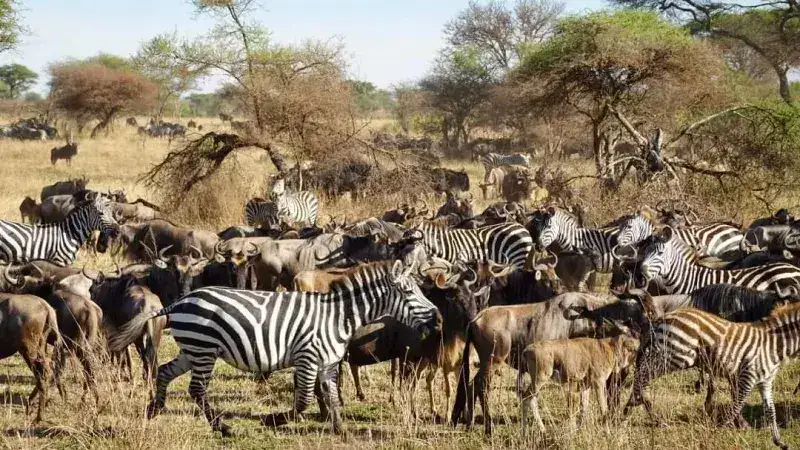
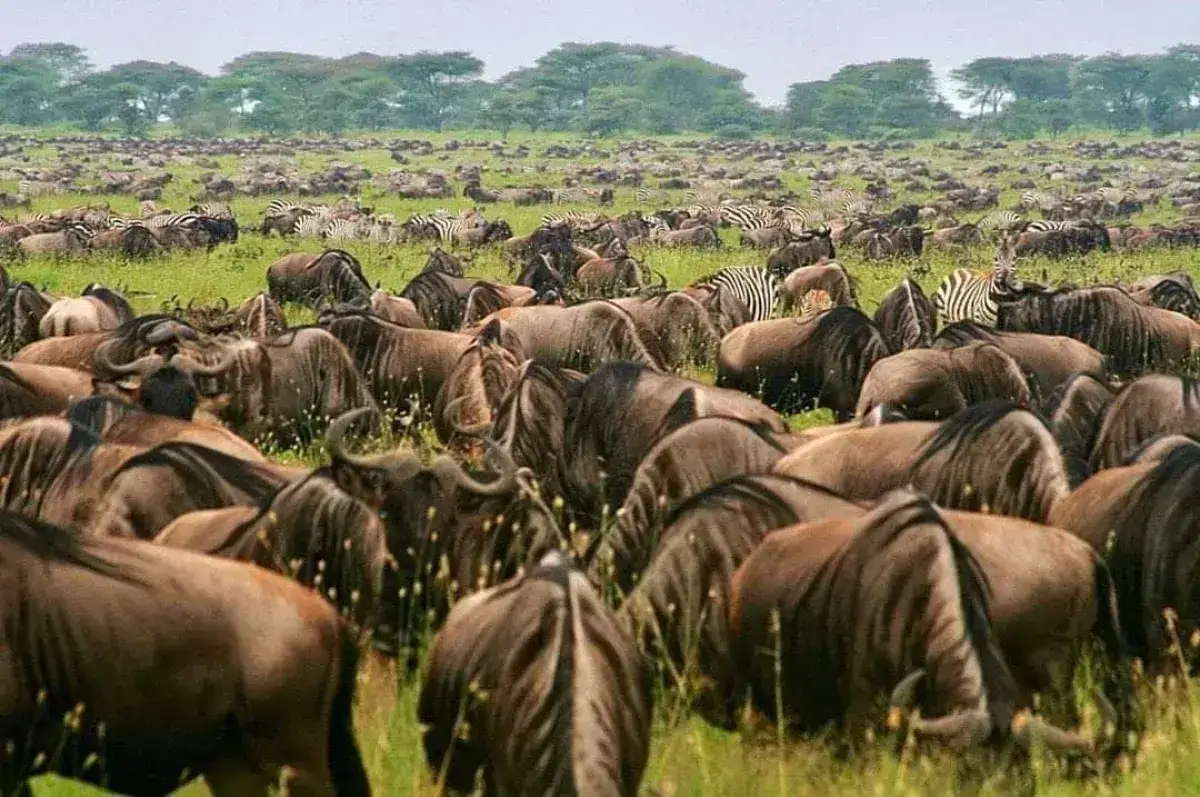
The 4-Day Mid-Range Serengeti Wildebeest Migration Safari – Calving Season Experience is designed for travellers who want to witness one of Africa’s most remarkable wildlife events: the annual wildebeest birthing season. During this period, vast herds gather across the southern Serengeti ecosystem, particularly around the Ndutu plains and neighbouring grasslands, where nutrient-rich grazing supports pregnant wildebeest and their newborn calves.

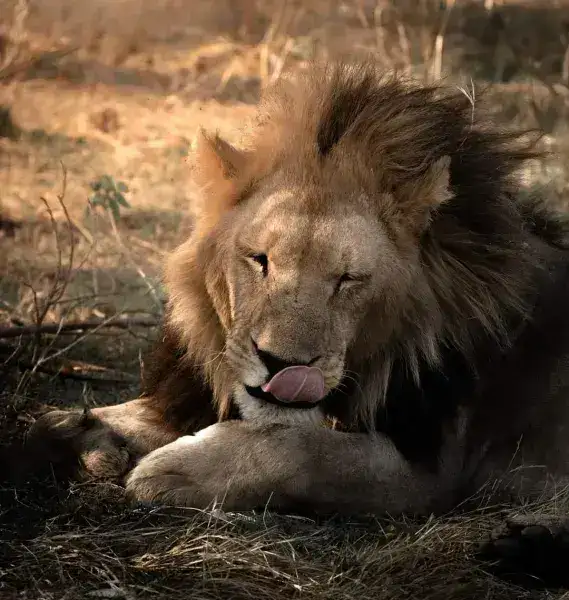
Calving season offers a different experience from the dramatic river crossings often associated with the Great Migration. Instead of focusing on river crossings, this safari explores open grasslands where thousands of wildebeest move, feed and give birth. Newborn calves can often be seen attempting their first steps shortly after birth, while adults remain close to protect the herd. The abundance of young animals also attracts predators, creating opportunities to observe lions, cheetahs, hyenas and other carnivores as they move through the plains.

Your journey takes you into the southern Serengeti migration areas, with the exact game-drive locations selected according to the herds' movements and current wildlife conditions. Ndutu is an important calving-season area, but the herds do not remain in one fixed location. Their distribution changes with rainfall, grazing conditions and the availability of fresh pasture. Your guide will use local knowledge to explore promising areas rather than follow a rigid route that may not reflect the wildlife situation.

The safari combines guided wildlife exploration with comfortable mid-range accommodation. Depending on the selected camp or lodge, you may stay around Ndutu, the southern Serengeti or another suitable location that provides practical access to the migration areas. Accommodation is selected to balance comfort, location and access to the daily game-drive routes. Expect a welcoming safari atmosphere, en-suite facilities where provided by the property, meals arranged according to the itinerary and time to relax between wildlife activities.

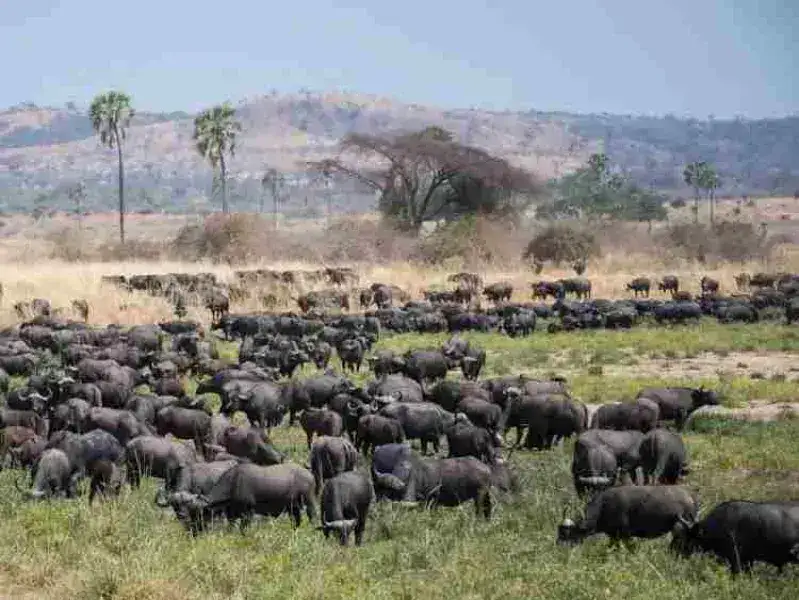
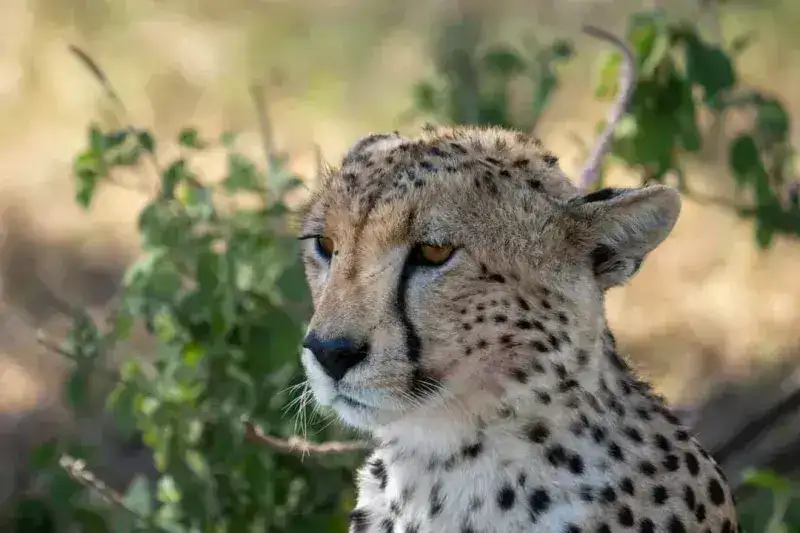
Across four days, you will have opportunities to observe large wildebeest herds, zebras, gazelles, elephants, giraffes, buffaloes and a variety of birdlife. Predator sightings may include lions resting in the grass, cheetahs scanning the open plains, spotted hyenas moving around the herds and, less frequently, leopards in suitable habitats. Wildlife sightings are never guaranteed, but the calving season provides particularly interesting conditions for observing interactions between grazing animals and predators.

This experience is ideal for couples, families with suitable-age children, photographers and wildlife enthusiasts who want to experience the Great Migration during its birthing period without sacrificing accommodation comfort. It also offers an opportunity to understand the wider Serengeti ecosystem: how rainfall influences grazing, how herds move between seasonal feeding areas and how predators respond to the concentration of newborn animals.

The itinerary can operate with a road transfer from Arusha or as part of a safari circuit, depending on the confirmed package arrangement. The final route, accommodation location and daily game-drive areas should be planned around the season's actual herd distribution. The objective is not simply to visit the Serengeti, but to spend meaningful time exploring the areas most likely to offer rewarding calving-season wildlife encounters.

Route

Tanzania

  • Start (Day 1) — Arusha
  • Day 1 — Arusha to the Southern Serengeti – First Encounters with the Migration
  • Day 2 — Full-Day Wildebeest Calving Season Safari in Ndutu and the Southern Plains
  • Day 3 — Exploring the Migration Routes – Predators, Wildlife and the Serengeti Ecosystem
  • Day 4 — Final Morning Game Drive and Return to Arusha
  • End (Day 4) — Arusha

Tour Highlights of 4-Day Mid-Range Serengeti Wildebeest Migration Safari – Calving Season Experience | Afro

  • Arusha to the Southern Serengeti – First Encounters with the Migration
  • Full-Day Wildebeest Calving Season Safari in Ndutu and the Southern Plains
  • Exploring the Migration Routes – Predators, Wildlife and the Serengeti Ecosystem
  • Final Morning Game Drive and Return to Arusha

Tour Features of 4-Day Mid-Range Serengeti Wildebeest Migration Safari – Calving Season Experience | Afro

Mid-range tour Specialisedmid-range tour options available
Private tour This tour runs exclusively for your own group
Can start any day Flexible departure — pick any date that suits you

Activities & Transportation: 4-Day Mid-Range Serengeti Wildebeest Migration Safari – Calving Season Experience | Afro

  • Safari vehicle

Accommodation & Meals: 4-Day Mid-Range Serengeti Wildebeest Migration Safari – Calving Season Experience | Afro

Day Accommodation Meals Photos
Day 1 Classic Nyikani Migration Camp Ndutu Comfort Classic View Migration Ndutu Camp Premium Ndutu Safari Lodge Bed, Breakfast, Lunch, Dinner & Drinking Water (Full Board)

Nyikani Migration Camp Ndutu

Classic · 10 photos

Classic View Migration Ndutu Camp

Comfort · 10 photos

Ndutu Safari Lodge

Premium · 10 photos

Day 2 Classic Nyikani Migration Camp Ndutu Comfort Classic View Migration Ndutu Camp Premium Ndutu Safari Lodge Bed, Breakfast, Lunch, & Drinking Water

Nyikani Migration Camp Ndutu

Classic · 10 photos

Classic View Migration Ndutu Camp

Comfort · 10 photos

Ndutu Safari Lodge

Premium · 10 photos

Day 3 Classic Nyikani Migration Camp Ndutu Comfort Classic View Migration Ndutu Camp Premium Ndutu Safari Lodge Bed, Breakfast, Lunch, Dinner & Drinking Water (Full Board)

Nyikani Migration Camp Ndutu

Classic · 10 photos

Classic View Migration Ndutu Camp

Comfort · 10 photos

Ndutu Safari Lodge

Premium · 10 photos

End of tour
Day 4
(No accommodation) Bed, Breakfast, Lunch, & Drinking Water (Full Board)
—

Interested in This Tour?

Tell us your travel dates and group size — you will receive a personalised proposal directly from Afro-Vertex Tours & Safaris, normally within 24 hours.

Day by Day: 4-Day Mid-Range Serengeti Wildebeest Migration Safari – Calving Season Experience | Afro

  1. Your safari begins with a morning departure from Arusha, travelling towards the southern Serengeti migration ecosystem. After meeting your professional driver-guide and receiving a short briefing, you will begin the journey through northern Tanzania's changing landscapes. The route passes rural settlements, agricultural areas and highland scenery before approaching the Ngorongoro Conservation Area.

    As you continue towards the southern plains, the environment gradually opens into expansive grasslands and scattered acacia woodland. Depending on the season and road conditions, your journey may include wildlife sightings along the way. Your guide will explain the ecological importance of the southern plains, including how seasonal rainfall encourages fresh grass growth and attracts large numbers of grazing animals.

    After reaching the migration area, you will begin your first game drive. During the calving period, wildebeest may gather in large concentrations across the open plains, sometimes accompanied by zebras and gazelles. Your guide will look for active herds, recently born calves and predators moving through the surrounding grassland. You may see calves staying close to their mothers, learning to move with the herd and responding to the constant activity around them.

    The first afternoon also introduces you to the different habitats that support the migration. Open grasslands provide grazing, while seasonal water sources and marshy areas attract animals seeking water and shelter. These varied environments can support different wildlife sightings, so your guide will select areas according to current conditions and the time available before sunset.

    Later, proceed to your mid-range camp or lodge in the Ndutu or southern Serengeti area. After check-in, enjoy dinner and time to relax while listening to the sounds of the African wilderness.

    Main Activities

    • Morning departure from Arusha with a safari briefing.
    • Drive towards the Ngorongoro Conservation Area and southern migration plains.
    • Observe changing landscapes and possible wildlife sightings along the route.
    • Afternoon game drive in the Ndutu or southern Serengeti area.
    • Search for wildebeest herds, zebras, gazelles and newborn calves.
    • Look for predators including lions, cheetahs and hyenas.
    • Transfer to your mid-range accommodation for dinner and overnight stay.

    Possible Activities

    • Photograph large groups of wildebeest spread across the grasslands.
    • Observe mother wildebeest protecting and guiding their newborn calves.
    • Watch zebras and gazelles grazing alongside the migrating herds.
    • Look for birds of prey scanning the plains for feeding opportunities.
    • Learn about the seasonal movement of grazing animals and the influence of rainfall.
    • Observe the transition from open plains to woodland and wetland habitats.
    Meals
    Bed, Breakfast, Lunch, Dinner & Drinking Water (Full Board)
    Accommodation
    Nyikani Migration Camp Ndutu / Classic View Migration Ndutu Camp / Ndutu Safari Lodge
  2. After breakfast, set out for a full day of wildlife exploration in the calving-season landscape. This is one of the most important days of the safari because you will have extended time to explore the areas where wildebeest gather to give birth and raise their young.

    The southern plains become especially productive during the calving season when seasonal rains encourage fresh grass growth. Wildebeest depend on this nutritious grazing, and large herds may spread across the plains in impressive numbers. Your guide will monitor herd activity and choose game-drive routes based on recent sightings, road accessibility and the location of suitable grazing areas.

    During the morning, focus on observing the herds at a relaxed pace. You may see newborn calves standing beside their mothers, groups moving together across the grassland and adults remaining alert to possible danger. Calves are generally able to stand and move soon after birth, an important adaptation that helps them keep up with the herd. Watching these early moments provides a fascinating view of the challenges young wildebeest face in a landscape shared with predators.

    The concentration of young animals also creates opportunities to observe predator behaviour. Lions may rest near the herds or move through the grass in search of an opportunity. Cheetahs often use open terrain to scan for vulnerable prey, while spotted hyenas may patrol the edges of grazing groups. Your guide will explain the difference between predator hunting strategies and how the presence of large herds influences their movements.

    A picnic lunch will be arranged during the day's exploration, allowing you to remain in the wildlife area rather than returning to camp. In the afternoon, continue through different sections of the migration landscape. Depending on conditions, your route may include open grassland, seasonal water points, marsh edges and areas where wildlife gathers in greater concentrations.

    The day is also an opportunity to observe animals that live in the Serengeti throughout the year. Giraffes may browse on acacia trees, elephants may cross woodland areas, and buffaloes can be found in suitable grazing and water-rich habitats. Smaller antelope species and a variety of birds add further interest to the game drive.

    Return to camp in the late afternoon for dinner and overnight accommodation.

    Main Activities

    • Early breakfast followed by a full-day guided game drive.
    • Explore Ndutu and nearby southern Serengeti grazing areas.
    • Search for large wildebeest herds and newborn calves.
    • Observe interactions between mother wildebeest and their young.
    • Look for lions, cheetahs, spotted hyenas and other predators.
    • Enjoy a picnic lunch in the safari area.
    • Continue exploring grasslands, seasonal water points and woodland habitats.
    • Return to your mid-range accommodation for dinner.

    Possible Activities

    • Photograph calves standing, walking or resting beside their mothers.
    • Observe the movement and behaviour of large grazing herds.
    • Watch predators resting, patrolling or searching for opportunities.
    • Look for elephants, giraffes, buffaloes, gazelles and zebras.
    • Identify vultures, eagles, storks and other birds around the plains.
    • Learn how rainfall and grass quality influence wildebeest distribution.
    Meals
    Bed, Breakfast, Lunch, & Drinking Water
    Accommodation
    Nyikani Migration Camp Ndutu / Classic View Migration Ndutu Camp / Ndutu Safari Lodge
  3. Today offers another extensive opportunity to explore the calving-season ecosystem. Although you will remain in the same general region, your guide can select different routes from the previous day to explore new grazing grounds, woodland edges and wildlife corridors. The movement of the herds is influenced by rainfall and fresh pasture, so the best game-drive locations can change from one day to another.

    After breakfast, depart for the morning game drive. Early hours are often productive for wildlife observation because many animals are active before the heat of the day. Your guide will look for herds moving between feeding areas, predators returning from night activity and animals gathering around seasonal water sources.

    The morning may bring further opportunities to observe wildebeest mothers and their calves. Some herds may be spread across the plains, while others gather in dense groups. You may also encounter zebras moving among the wildebeest. These two species often graze in the same broad ecosystem, although they select different parts of the vegetation and can benefit from one another's alertness to danger.

    A major focus of today's exploration is understanding the relationship between the migrating herds and the predators that depend on them. Lions may use grass cover or low rises to approach grazing animals, while cheetahs favour open spaces where they can use speed during a hunt. Hyenas are adaptable hunters and scavengers, often travelling over considerable distances in search of food. Your guide will explain these behaviours while maintaining respectful viewing distances and following park regulations.

    After a picnic lunch, continue exploring the area. The afternoon game drive may focus on a different habitat from the morning, depending on wildlife reports and road conditions. Seasonal wetlands can attract water-associated birds, while acacia woodland may offer opportunities to see giraffes, elephants and other resident species. You may also encounter smaller animals and birds that are easy to overlook during a fast-moving safari.

    This day is not only about finding the largest herds. It is also about appreciating the wider ecological processes that make the Serengeti one of Africa's most important wildlife landscapes. Your guide can explain the migration's annual cycle, the importance of grazing pressure, the role of predators and how the seasonal movement of animals connects the southern plains with other parts of the ecosystem.

    Return to your accommodation later in the afternoon. Enjoy dinner and your final evening in the migration area.

    Main Activities

    • Morning departure for a guided game drive.
    • Explore additional migration routes and grazing areas.
    • Search for wildebeest mothers, calves and large moving herds.
    • Observe zebras, gazelles and other grazing animals.
    • Look for lions, cheetahs and spotted hyenas.
    • Enjoy a picnic lunch during the game-drive excursion.
    • Explore a variety of habitats during the afternoon.
    • Return to camp for dinner and overnight stay.

    Possible Activities

    • Photograph wildlife against the open southern plains.
    • Observe interactions between wildebeest, zebras and other herbivores.
    • Watch predators resting, moving through grassland or scanning for prey.
    • Look for elephants and giraffes around woodland areas.
    • Identify birds around seasonal wetlands and water sources.
    • Observe smaller mammals and antelope species.

    Discuss the wider Great Migration cycle and its seasonal movements with your guide

    Meals
    Bed, Breakfast, Lunch, Dinner & Drinking Water (Full Board)
    Accommodation
    Nyikani Migration Camp Ndutu / Classic View Migration Ndutu Camp / Ndutu Safari Lodge
  4. Enjoy breakfast at camp before beginning your final safari activities. Depending on your departure time and the distance to your exit route, you may have a short morning game drive or begin the return journey after breakfast. If time allows, your guide will explore a nearby section of the plains for a final opportunity to observe the wildlife of the calving season.

    Early morning can provide rewarding photography conditions, with softer light across the grasslands and animals becoming active after the night. You may encounter wildebeest grazing with their calves, zebras moving between feeding areas, gazelles crossing the open plains or predators returning to resting places. Your final sightings will depend on animal movements and the day's conditions.

    After the game drive, begin the journey back towards Arusha. The return route passes through the Ngorongoro highlands and other changing landscapes before reaching the town. Your guide can provide a final overview of the safari and answer questions about the migration, wildlife behaviour and the Serengeti ecosystem.

    On arrival in Arusha, you will be dropped off at your hotel, a preferred location or the airport according to your confirmed onward arrangements. If you are connecting to an international flight, allow sufficient time between the safari return and departure, as road conditions and travel times can vary.

    Main Activities

    • Breakfast at your safari accommodation.
    • Optional short morning game drive, subject to departure timing.
    • Final wildlife viewing in the Ndutu or southern Serengeti area.
    • Return journey through the Ngorongoro highlands towards Arusha.
    • Drop-off at the agreed location in Arusha.

    Possible Activities

    • Take final photographs of the migration landscape.
    • Observe early morning grazing activity where time permits.
    • Look for wildlife along the departure route.
    • Discuss the seasonal migration cycle and wildlife conservation with your guide.
    • Arrange onward transfer or an additional overnight stay in Arusha if required.
    Meals
    Bed, Breakfast, Lunch, & Drinking Water (Full Board)
    Accommodation
    (No accommodation)

Pricing of 4-Day Mid-Range Serengeti Wildebeest Migration Safari – Calving Season Experience | Afro

Starting From On Request per person (USD)
4 Days
Mid-range Level

This tour's package price is not listed

Request a Package Price using the quote form below and we'll prepare a tailored price for your travel dates and group size.

This tour includes: • Three nights in mid-range safari accommodation., • Meals as specified in the itinerary., • Professional English-speaking safari driver-guide., • Safari transport in a suitable 4x4 vehicle with a pop-up roof for wildlife viewing. and more.

See full inclusions ›

Personalised proposal within 24 hours — no booking fees.

What is Included In 4-Day Mid-Range Serengeti Wildebeest Migration Safari – Calving Season Experience | Afro?

Included

  • • Three nights in mid-range safari accommodation.
  • • Meals as specified in the itinerary.
  • • Professional English-speaking safari driver-guide.
  • • Safari transport in a suitable 4x4 vehicle with a pop-up roof for wildlife viewing.
  • • Game drives in the Ndutu and southern Serengeti migration areas.
  • • Applicable national park and conservation-area entry fees for the confirmed route.
  • • Relevant concession or camping fees where applicable to the selected accommodation.
  • • Picnic lunches during full-day game drives.
  • • Drinking water during safari activities.
  • • Transfers between the agreed Arusha meeting point and the safari circuit.
  • • Government taxes and applicable service charges included in the confirmed package

Excluded

  • • International flights to and from Tanzania.
  • • Tanzania visa fees and travel documentation.
  • • Travel, medical and evacuation insurance.
  • • Personal expenses such as laundry, souvenirs and telephone charges.
  • • Tips and gratuities for the safari guide and camp staff.
  • • Alcoholic beverages, premium drinks and items not included in the accommodation meal plan.
  • • Additional hotel nights in Arusha before or after the safari.
  • • Optional activities not listed in the confirmed itinerary.
  • • Balloon safari experiences.
  • • Private charter flights or upgrades, unless specifically included.
  • • Any increase in park fees, taxes or government charges introduced after the quotation, where applicable under the booking terms.

Getting There

  • Starting pointArusha
  • End pointArusha
  • TransportationGame-drive vehicle

Offered By

Request a Free Quote for 4-Day Mid-Range Serengeti Wildebeest Migration Safari – Calving Season Experience | Afro

10 Questions About 4-Day Mid-Range Serengeti Wildebeest Migration Safari – Calving Season Experience | Afro

Answered by Afro-Vertex Local Specialists

  1. The main calving period generally takes place around January and February, although exact timing varies with rainfall and grazing conditions. The southern Serengeti and Ndutu plains are important areas during this period. The herds may arrive earlier, remain longer or shift between grazing areas depending on seasonal conditions.

  2. Calving season focuses on the birth of thousands of wildebeest calves across the southern plains. River-crossing safaris, commonly associated with the northern Serengeti and the Mara River, focus on herds attempting to cross crocodile-inhabited rivers. Both are parts of the same annual migration but offer different wildlife experiences.

  3. The southern plains are important calving grounds, so there can be excellent opportunities to see young calves during the main season. However, sightings depend on the timing of your visit, herd distribution and daily wildlife movements. No safari operator can guarantee a particular animal encounter.

  4. Yes. The concentration of wildebeest and young calves attracts predators such as lions, cheetahs and spotted hyenas. Leopards may also be present in suitable habitats. Their sightings and behaviour are unpredictable, and your guide will search for them while respecting wildlife-viewing rules.

  5. You will stay in mid-range safari accommodation selected for practical access to the migration areas. Depending on availability and the herd location, this may be a camp or lodge around Ndutu or the southern Serengeti. Confirm the property's exact location before booking because it affects daily driving distances.

  6. The arrangement depends on the confirmed booking. A group departure may use a shared safari vehicle with other travellers, while a private departure provides a vehicle for your own booking party. Confirm the vehicle arrangement, maximum passenger numbers and seating configuration before making your reservation.

  7. Four days provide a valuable introduction to the southern migration areas, with time for an arrival game drive and two substantial days of wildlife exploration. A longer safari can allow more flexibility to follow changing herd movements and explore additional parts of the Serengeti ecosystem.

  8. Bring neutral-coloured comfortable clothing, a warm layer for early mornings, a sun hat, sunglasses, sunscreen, comfortable shoes, binoculars, a camera and personal toiletries. A small day bag is useful for game drives. January and February can bring rain, so a lightweight waterproof jacket is also recommended.

  9. Yes. The open grasslands can provide excellent opportunities to photograph large herds, newborn calves, predators and interactions between different species. A camera with a telephoto lens, spare batteries and memory cards is useful. Always follow your guide's instructions and avoid disturbing animals for photographs.

  10. Yes. You can extend the experience with additional wildlife destinations such as Tarangire or the Ngorongoro Crater, or continue to Zanzibar for a beach holiday. An extension should be planned around your flight arrangements and the time available after the safari.