The global benchmark for Kilimanjaro climbing — 7 days is the most popular and most recommended duration on the mountain. Five routes available. Full day-by-day itineraries, 90%+ summit success rates, all-inclusive prices from $1,890, and departure dates every week throughout 2026 - 2027.
The 7-day Kilimanjaro tour is the most widely booked and most recommended duration in the world for summit climbing on Africa's highest peak. More climbers choose 7 days than any other option — and for good reason. Here is everything you need to know.
A 7-day Kilimanjaro tour represents the global sweet spot — delivering 90%+ summit success rates on all standard routes through superior acclimatization scheduling, while remaining practical for climbers with one week available. The extra day over the 6-day option makes a meaningful, measurable difference: an additional overnight at Karanga Camp (4,035m) on routes like Machame and Lemosho, giving your body one more crucial night of altitude adjustment before the summit push from Barafu (4,673m).
Five routes operate 7-day itineraries in 2026 - 2027: the legendary Machame Route (world's most popular single trail), the scenic Lemosho Route (top recommendation for first-timers), the remote northern Rongai Route (best for wet season), the demanding Umbwe Route (expert climbers only), and the pristine western Londorosi Route (most remote approach available). Each delivers the same Uhuru Peak summit — through completely different terrain, ecosystems, and experiences.
All 7-day Afro-Vertex tours are fully all-inclusive: all KINAPA park fees, KINAPA-certified guides, licensed KPAP-protected porters, all meals throughout the climb, camping equipment, and return Moshi transfers. From $1,890 per person — with no hidden costs at any tier.
The 7-day format has become the global standard for Kilimanjaro summit climbing because it solves the central challenge of high-altitude trekking — acclimatization — more effectively than any shorter option while remaining achievable within a standard one-week holiday window.
Every extra day on Kilimanjaro improves your summit probability. Here is exactly what the 7-day schedule provides that shorter options cannot.
Seven days provides 6 nights of progressive altitude exposure before the summit push. By the time you leave Barafu at midnight on Day 6, your body has spent nights at 3,020m, 3,840m, 4,630m (Lava Tower day hike), 3,976m, 4,035m, and 4,673m — a physiologically ideal acclimatization ladder that maximises red blood cell production and oxygen utilisation efficiency.
The critical difference between 6-day and 7-day on Machame and Lemosho is the overnight at Karanga Camp (4,035m). On the 6-day, climbers push from Barranco (3,976m) directly to Barafu (4,673m) in one day. On the 7-day, Karanga Camp provides an extra night at 4,035m before the Barafu push — and that single night accounts for the 3–5% success rate improvement.
The 7-day spreads the same total elevation gain across 6 trekking days instead of 5, reducing the average daily gain from 800m to approximately 670m. This seemingly small difference translates into more comfortable daily hiking — legs that are less fatigued on summit night, and bodies that have been stressed more gradually throughout the approach.
Kilimanjaro's five ecological zones — each unique and extraordinary — deserve unhurried attention. At 7 days, mornings at camp are relaxed, afternoons include time to explore and photograph, and the overall experience shifts from survival to immersion. Many climbers describe the 7-day as the format where Kilimanjaro's full character reveals itself.
Our Afro-Vertex 7-day summit success rate on Machame and Lemosho is 90%+. This puts the 7-day squarely in the highest-performance bracket for standard Kilimanjaro routes. Only the 8-day Lemosho (92%+) and 9-day Northern Circuit (95%) reliably outperform — but at 2–3 extra days commitment and $300–$600 additional cost.
At $1,890 per person for the 7-day Machame or Rongai group tour, the cost-per-success-percentage-point is the best available on any Kilimanjaro route. You pay $270 more than the 6-day equivalent ($1,620) for a 3–5% success rate improvement and a measurably better overall experience. No other single upgrade on Kilimanjaro delivers comparable return on investment.
Every available Kilimanjaro duration compared side by side. The 7-day is highlighted as the global recommendation — but every option has its place depending on your schedule and priorities.
Shortest option. Minimal acclimatization. Experienced altitude trekkers only.
50–65%Viable balance. One acclimatization day. Good for climbers with one week.
82–87%The global standard. Karanga Camp overnight. Best standard success rate.
90%+ SuccessPremium option. Lemosho 92%+. Extra day provides outstanding acclimatization.
92%+Northern Circuit 360° traverse. Highest success rate on the mountain.
95%Every 7-day Kilimanjaro route reaches Uhuru Peak. But the approach, scenery, difficulty, crowd level, and experience are completely different on each trail. Choose based on your priorities.
 World's Most Popular
90%+ Success
World's Most Popular
90%+ Success
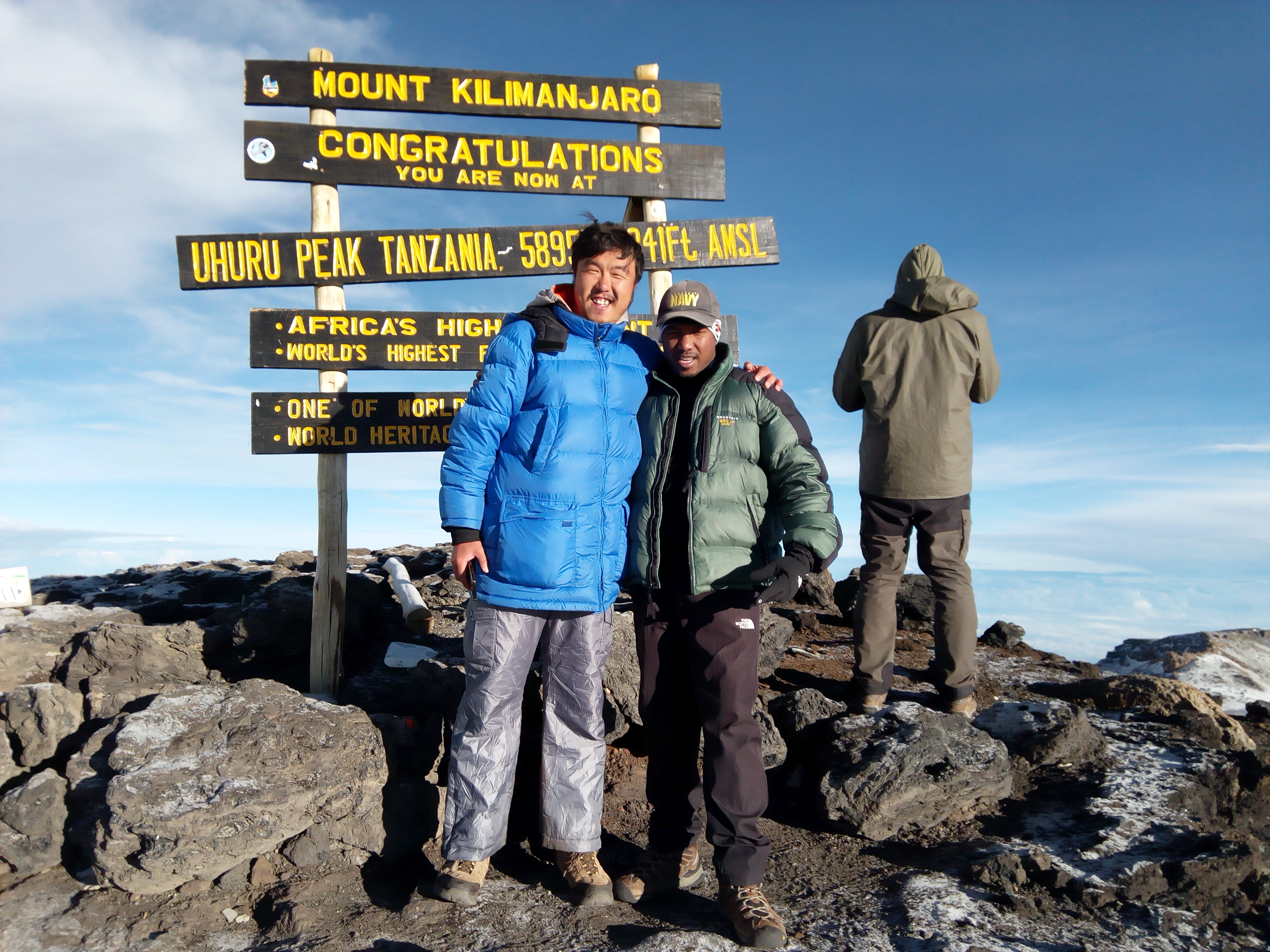
The world's most climbed route in its best format. The 7-day Machame includes the crucial Karanga Camp overnight (Day 5) between Barranco and Barafu that the 6-day skips — and that single extra night is what pushes the success rate from 85–87% to 90%+. Iconic Barranco Wall scramble, Lava Tower acclimatization, extraordinary scenic diversity from forest to glacier.
 Best for First-Timers
90%+ Success
Best for First-Timers
90%+ Success
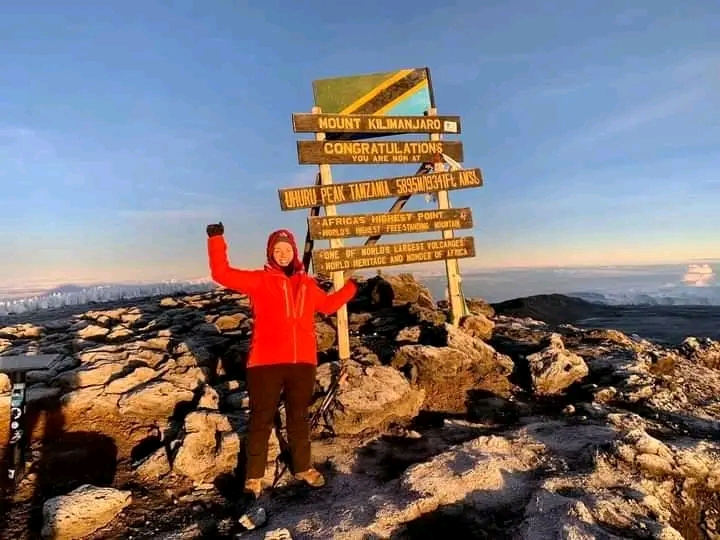
Our guide team's top recommendation for first-time Kilimanjaro climbers. The 7-day Lemosho combines the remote western forest approach (1–2 days through pristine wilderness) with the full Shira Plateau crossing, Barranco Wall, and Karanga Camp overnight — delivering 90%+ success with the best scenery of any 7-day itinerary. Fewer crowds than Machame throughout.
 Driest Route
85%+ Success
Driest Route
85%+ Success
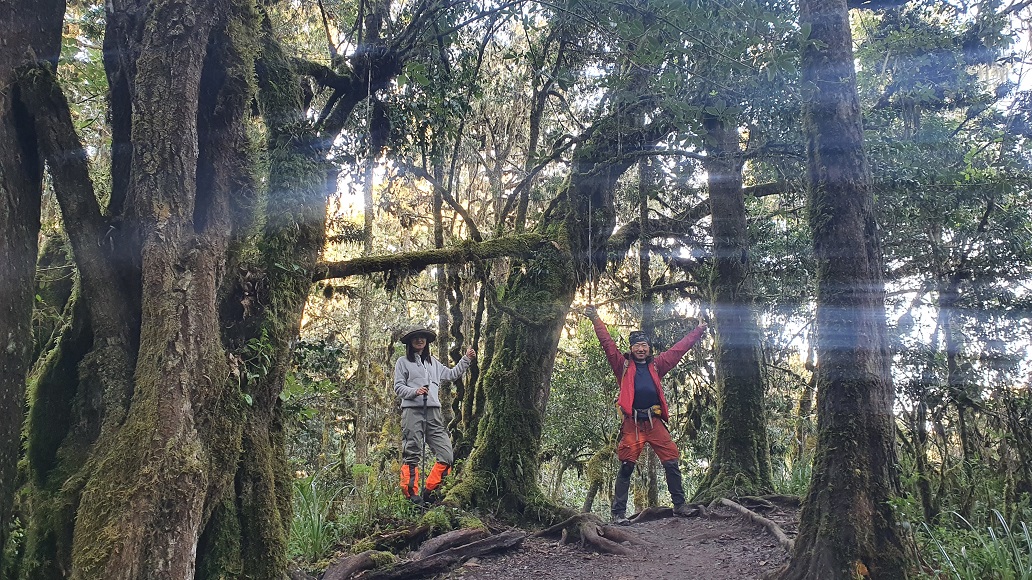
The only Kilimanjaro route approaching from the north. Driest trail on the mountain — the definitive choice for April–May wet-season climbing. Wildlife encounters near the gate (buffalo, zebra, elephant), panoramic views across Kenya toward Amboseli, and near-total solitude throughout. The 7-day version includes a Mawenzi Tarn acclimatization hike. Descends via Marangu route.
 Expert Only
78% Success
Expert Only
78% Success
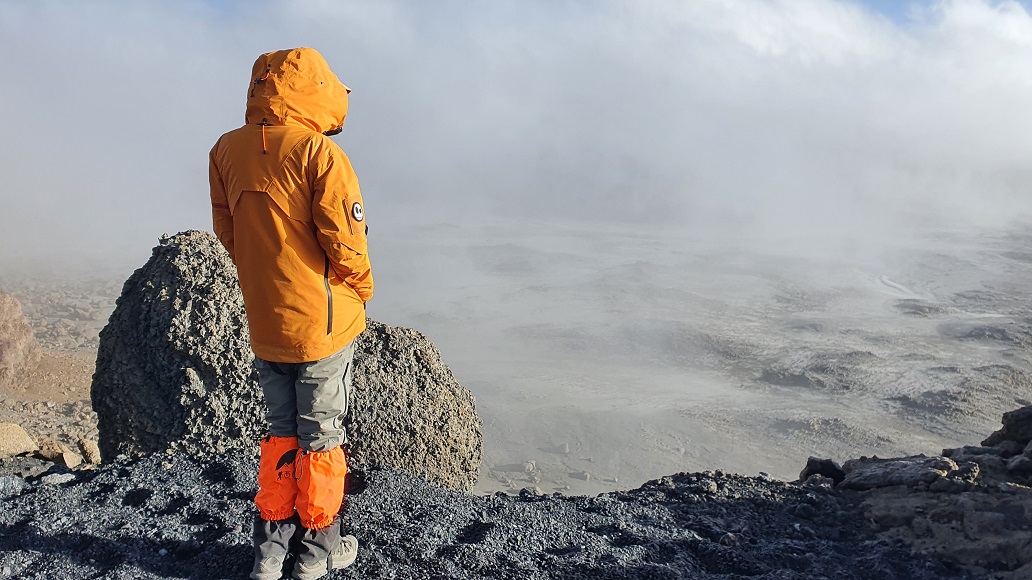
Kilimanjaro's most direct and demanding standard route, improved significantly over the 6-day version by the addition of a rest/acclimatization day at Barranco (3,976m). The 7-day Umbwe achieves 78% success vs 72% at 6 days. Steep ridge forest, rapid altitude gain, minimal trail traffic. For experienced mountaineers with proven high-altitude exposure. Not for first-timers.
 Most Remote
90%+ Success
Most Remote
90%+ Success
The Londorosi Route enters via the most remote gate on the entire mountain — the Londorosi Gate on the far western slopes. The most pristine wilderness approach, with maximum wildlife potential (elephant and buffalo near the gate are regularly sighted). Joins the Lemosho Route at Shira 1 Camp — from there, the 7-day Londorosi and Lemosho itineraries are identical to Karanga Camp and beyond.
Transparent, all-inclusive pricing for every 7-day route. No hidden costs. All KINAPA fees, guides, porters, accommodation, and meals included in every price listed.
| Tour Package | Route | Camping | Success Rate | Group Price | Luxury Price | Book |
|---|---|---|---|---|---|---|
| 7-Day Machame Route Tour | Machame | Camping | 90%+ | $1,890 | $3,500 | Book Now |
| 7-Day Lemosho Route Tour | Lemosho | Camping | 90%+ | $1,890 | $3,500 | Book Now |
| 7-Day Rongai Route Tour | Rongai | Camping | 85%+ | $1,890 | $3,500 | Book Now |
| 7-Day Umbwe Route Tour | Umbwe | Camping | 78% | $1,890 | $3,500 | Book Now |
| 7-Day Londorosi Route Tour | Londorosi | Camping | 90%+ | $1,890 | $3,500 | Book Now |
All prices per person in USD. Group = joining departures (max 12 climbers). Luxury = private tour. All KINAPA park fees, camping, guides, porters, all meals included.
The definitive 7-day Machame itinerary — the version that delivers 90%+ summit success through the Karanga Camp acclimatization night that the 6-day schedule omits.
Transfer from Moshi to Machame Gate (1,800m) after breakfast — approximately 1 hour by road. After park registration and crew introductions, the trail enters dense montane rainforest immediately. Colobus monkeys, sunbirds, and ancient heather trees draped in lichen line the trail. The day gains 1,220m over 11 kilometres — a long but well-paced introduction to Kilimanjaro's lower slopes. Arrive at Machame Camp (3,020m) at the forest-moorland boundary as porters arrive singing ahead of you.
A shorter day ascending through heathland and moorland to the Shira Plateau. The forest gives way to open heather, then to the extraordinary moorland zone — giant groundsels and lobelias emerge as the landscape opens. Shira Camp (3,840m) sits at the edge of the vast Shira Plateau with first close views of the Kibo summit cone directly ahead. Altitude effects are common here — headache, reduced appetite, and fatigue are normal and expected.
The physiologically most important day of the entire itinerary. The route climbs across the open moorland to Lava Tower (4,630m) — a dramatic volcanic rock formation at the base of the Western Breach — for lunch at high altitude, before descending 654m to Barranco Camp (3,976m). This "climb high, sleep low" strategy is the core reason the Machame Route achieves its high success rates. From Lava Tower, the Southern Ice Fields and Kibo glacier walls are visible at close range for the first time.
The most exciting day on the Machame Route. After breakfast at Barranco, the route immediately tackles the Barranco Wall — a 257-metre volcanic rock face that requires hands-and-feet scrambling movement. No ropes or technical gear are needed, but the exposure is dramatic. Views from the top of the wall back across the Shira Plateau are unforgettable. The 7-day Machame arrives at Karanga Camp (4,035m) for the night — a shorter day with maximum rest before the Barafu push tomorrow. This overnight is the crucial 7-day advantage over the 6-day schedule.
A deliberately short day — 3–4 hours only. The trail climbs through the high alpine desert to Barafu Camp (4,673m), the summit basecamp for all southern route climbers. The brevity is intentional: arrive early, eat a full meal, and attempt to sleep for 4–5 hours before the midnight departure. The Kibo summit cone towers directly overhead from Barafu — the summit now appears both tantalizingly close and impossibly high. Tonight is the night that all the preparation, training, and altitude work was for.
Midnight departure (23:00–00:00). Full cold-weather layers. Headlamp on. The group begins the ascent in complete darkness — headlamps dotting the volcanic cone like a constellation of stars. The route climbs steep, loose scree for 5–7 hours in cold and thin air to reach Stella Point (5,756m) on the crater rim. A valid KINAPA summit point. From Stella Point the route continues 45 minutes along the crater rim to Uhuru Peak (5,895m) — the highest point on the African continent.
The sunrise from the crater rim, if you time it right, is one of the world's great natural experiences — the shadow of Kilimanjaro stretching hundreds of kilometres across Tanzania below you, the ice fields glowing amber. After photographs and the summit moment, the long descent begins — all the way to Mweka Camp (3,068m) via the steep Mweka Route.
The final rainforest descent to Mweka Gate. Your porter crew sings traditional Swahili celebration songs on the trail out. The rainforest smells extraordinary after six days in the alpine zones above. At Mweka Gate, the KINAPA summit certificate is signed and issued — Uhuru Peak (5,895m) or Stella Point (5,756m). Crew tip ceremony at the gate. Transfer back to Moshi for the best shower and meal of your life.
The 7-day Lemosho begins deeper in the pristine western forest than Machame, crosses the full Shira Plateau, then converges with the Machame route at Shira 2 — sharing the same Barranco Wall, Karanga Camp, Barafu approach, and Mweka descent. Same 90%+ success, superior scenery, lower crowds.
The Lemosho Gate (2,100m) provides access to the most remote and biodiverse forest approach on Kilimanjaro. The trail enters pristine montane rainforest — ancient podocarpus trees, rich canopy, and the highest wildlife potential of any route entry point. Buffalo, colobus monkeys, and occasionally elephant have been encountered in the buffer zone near the gate. Big Tree Camp (2,750m) sits in a beautiful natural clearing surrounded by giant forest trees.
The trail climbs from forest through heathland into the lower moorland — vegetation transitioning dramatically with altitude. Giant groundsels and lobelias appear. Shira 1 Camp (3,500m) sits at the western edge of the vast Shira Plateau — a 13km-wide ancient volcanic caldera now covered in heath and moorland.
A magnificient day crossing the full Shira Plateau. The plateau at 3,500–3,840m is one of the world's highest and most remarkable volcanic tablelands — the caldera of an ancient shield volcano that predates Kibo. The Western Breach glacier walls are visible ahead. At Shira 2 Camp (3,840m), the Lemosho Route converges with the Machame Route — from here, both routes share the same trail to the summit.
Identical to Machame Day 3. The critical "climb high, sleep low" acclimatization day — ascending to Lava Tower (4,630m) for lunch before descending to Barranco Camp (3,976m). Having already spent three days above 2,750m, Lemosho climbers handle this acclimatization day with a significant physiological advantage over those arriving from lower elevations.
The iconic Barranco Wall scramble — identical to Machame. 257 metres of hands-and-feet volcanic rock scrambling with extraordinary views across the plateau from the top. The route continues to Karanga Camp (4,035m) for the crucial 7-day acclimatization overnight. By Day 5, Lemosho climbers have had four nights above 2,750m — by far the best acclimatization profile of any 7-day schedule.
Short day to Barafu (4,673m). Arrive early, rest completely, eat and drink well, sleep before midnight. Identical to Machame Day 5.
Midnight summit push from Barafu. Same as Machame — Stella Point at dawn, Uhuru Peak shortly after. The 7-day Lemosho pushes all the way from Mweka Camp to Mweka Gate on summit day, combining descent and gate exit into one final day. Summit certificate at gate. Transfer to Moshi.
Complete itinerary summaries for the three remaining 7-day routes — day-by-day stages, elevations, distances, and key notes for each.
| Day | Stage | Start Alt. | End Alt. | Distance | Duration | Camp |
|---|---|---|---|---|---|---|
| Day 1 | Rongai Gate → Simba Camp | 1,950m | 2,625m | 8km | 3–4 hrs | Simba Camp |
| Day 2 | Simba Camp → Second Cave Camp | 2,625m | 3,450m | 9km | 5–6 hrs | Second Cave |
| Day 3 | Second Cave → Third Cave + Mawenzi Tarn Hike | 3,450m | 3,800m (camp) | 6km + hike | 4–5 hrs | Third Cave |
| Day 4 | Third Cave → Mawenzi Tarn Camp (acclimatization) | 3,800m | 4,330m | 5km | 3–4 hrs | Mawenzi Tarn |
| Day 5 | Mawenzi Tarn → School Hut (Kibo North) | 4,330m | 4,750m | 4km | 3–4 hrs | School Hut |
| Day 6 | School Hut → Uhuru Peak → Horombo Huts | 4,750m | 5,895m → 3,720m | 18km | 12–15 hrs | Horombo Huts |
| Day 7 | Horombo Huts → Marangu Gate | 3,720m | 1,860m | 20km | 5–6 hrs | — |
| Day | Stage | Start Alt. | End Alt. | Distance | Duration | Camp |
|---|---|---|---|---|---|---|
| Day 1 | Umbwe Gate → Cave Camp | 1,640m | 2,940m | 10km | 5–6 hrs | Cave Camp |
| Day 2 | Cave Camp → Barranco Camp | 2,940m | 3,976m | 8km | 5–7 hrs | Barranco Camp |
| Day 3 | Acclimatization at Barranco Camp | 3,976m | 3,976m (rest) | 4km hike | 2–3 hrs | Barranco Camp |
| Day 4 | Barranco Wall → Karanga Camp | 3,976m | 4,035m | 5km | 4–6 hrs | Karanga Camp |
| Day 5 | Karanga Camp → Barafu Camp | 4,035m | 4,673m | 5km | 3–4 hrs | Barafu Camp |
| Day 6 | Barafu → Uhuru Peak → Mweka Camp | 4,673m | 5,895m → 3,068m | 16km | 12–16 hrs | Mweka Camp |
| Day 7 | Mweka Camp → Mweka Gate | 3,068m | 1,640m | 10km | 3–4 hrs | — |
| Day | Stage | Start Alt. | End Alt. | Distance | Duration | Camp |
|---|---|---|---|---|---|---|
| Day 1 | Londorosi Gate → Big Tree Camp | 2,100m | 2,750m | 7km | 3–4 hrs | Big Tree Camp |
| Day 2 | Big Tree Camp → Shira 1 Camp | 2,750m | 3,500m | 9km | 5–6 hrs | Shira 1 Camp |
| Day 3 | Shira 1 → Shira 2 Camp (joins Lemosho) | 3,500m | 3,840m | 9km | 4–5 hrs | Shira 2 Camp |
| Day 4 | Shira 2 → Lava Tower → Barranco Camp | 3,840m | 3,976m | 14km | 6–8 hrs | Barranco Camp |
| Day 5 | Barranco Wall → Karanga Camp | 3,976m | 4,035m | 5km | 4–6 hrs | Karanga Camp |
| Day 6 | Karanga Camp → Barafu Camp | 4,035m | 4,673m | 5km | 3–4 hrs | Barafu Camp |
| Day 7 | Barafu → Uhuru Peak → Mweka Gate | 4,673m | 5,895m → 1,640m | 20km+ | 16–18 hrs | — |
A direct guide for the most common route selection scenarios — from our Moshi guide team.
7-Day Lemosho (best scenery, best 7-day acclimatization profile, lower crowds than Machame) or 7-Day Machame (world's most popular, iconic Barranco Wall).
7-Day Machame Route — the Barranco Wall, Lava Tower, diverse landscapes. The route most people mean when they say "Kilimanjaro."
7-Day Rongai Route — the driest approach from the north. When southern routes are slippery and difficult, Rongai remains the most viable option.
7-Day Londorosi (most remote gate) or 7-Day Rongai (northern face). Both routes see dramatically fewer climbers than Machame or Lemosho in peak season.
7-Day Londorosi (elephant, buffalo near gate) or 7-Day Rongai (zebra, buffalo near Kenya border). Both far outperform southern routes for pre-forest wildlife encounters.
7-Day Umbwe (most demanding, steepest approach, near-total solitude). Prior high-altitude experience above 4,000m required. 78% success — not for beginners.
Group joining departures every week throughout 2026 - 2027 on all major routes. Guaranteed to run regardless of group size. Private tours available on any date.
Summit success rates for all 7-day routes — based on Afro-Vertex expedition data with KINAPA-certified guides and twice-daily pulse oximeter monitoring.
The 90%+ success rate on 7-day Machame and Lemosho is not accidental — it is the direct result of a specific physiological advantage: the Karanga Camp overnight at 4,035m, placed between Barranco (3,976m) and Barafu (4,673m). On the 6-day schedule, climbers push from Barranco to Barafu in a single long day. On the 7-day, Karanga Camp is an overnight stop — giving the body one more full night at moderate altitude before the summit push.
In addition to the Karanga Camp advantage, 7-day success benefits from:
7-day tours run year-round. Timing affects trail conditions, summit visibility, crowd levels, and price. Here is the complete seasonal guide.
The secondary dry season — excellent trail conditions, clear skies, outstanding summit visibility, and 30–40% fewer climbers than July–August. January and February are particularly ideal: identical weather quality to peak season at lower cost and with dramatically more space on the trail.
The main dry season. July and August are globally the most popular Kilimanjaro months — best weather, peak trail energy with climbers from 20+ countries, but significantly more crowded. September and October maintain peak-quality conditions with noticeably fewer climbers — often described as the ideal combination.
November brings short rains — wetter conditions but entirely manageable, especially on Rongai and Londorosi. December improves progressively toward the festive season, with late December offering excellent conditions. Christmas and New Year's Eve summit departures available.
Long rainy season on southern slopes. Machame, Lemosho, and Umbwe routes become wet and slippery. If these are your only available dates, choose the 7-Day Rongai Route — the northern approach stays measurably drier and remains fully viable for summit attempts throughout April–May.
A 7-day Kilimanjaro tour demands 3–4 months of intentional preparation. Here is the programme our guide team recommends for arriving in peak condition.
Build to 45–60 minutes of sustained moderate-intensity cardio 4–5 days per week — running, cycling, swimming, or rowing. The 7-day Kilimanjaro involves approximately 40–50 hours of walking over 7 days. Your aerobic base is the single most important fitness component.
The most specific preparation available. Build to 18–22km day hikes carrying a 6–8kg daypack every weekend for the final 8 weeks. Include significant cumulative elevation gain (800m+ per hike). This builds the exact muscle groups and endurance profile that Kilimanjaro demands.
Stair climbing, steep treadmill intervals, or stadium steps 2–3 times per week. The Machame and Lemosho routes gain 4,000m+ of total elevation — your legs must be conditioned for prolonged uphill work under load. Focus on glutes, quadriceps, and calves.
Eccentric quadriceps training (slow step-downs, reverse lunges, wall sits) protects your knees on the long Day 6–7 descents. The Mweka Route descent from summit to gate is 4,255m of elevation loss — undertrained knees fail here. Train for the descent as specifically as the ascent.
Start wearing your Kilimanjaro boots on every training hike at least 8 weeks before departure. New boots on summit day cause debilitating blisters. Every training hike in your actual boots hardens specific friction points and moulds the sole to your foot. This is non-negotiable.
If possible, spend time above 3,000m in the 6 months before your climb — skiing, hiking in the Alps or Rockies, or other mountain travel. Any prior altitude exposure improves your physiological response to Kilimanjaro's altitude significantly. Even one weekend at 2,500–3,000m makes a difference.
Consult your doctor 6–8 weeks before departure. Discuss cardiovascular health, Diamox (Acetazolamide) for altitude prevention, and current medications. Request blood oxygen baseline reading if available. Consider a high-altitude fitness test if you have any cardiovascular concerns.
The 7-day summit night — 12–16 hours at altitude in darkness and cold — is the greatest mental challenge. Train your mind to push through discomfort by deliberately completing workouts when tired, training in cold conditions, and practising what psychologists call "intentional suffering" — tolerating hardship with a defined endpoint.
Temperature range across 7 days: +25°C at the rainforest gate to −20°C at the summit. Layering is your complete strategy. This is the full gear list for all 7-day camping routes.
The most searched questions about 7-day Kilimanjaro tours answered by the Afro-Vertex guide team in Moshi.
Five routes. Weekly departures. All-inclusive from $1,890. 90%+ summit success. KINAPA-certified guides. Group and private options. Our Moshi team confirms bookings within hours.
