Kilimanjaro Marangu Route — Complete Overview 2026 - 2027
The Kilimanjaro Marangu Route is the oldest, most established trail on Africa's highest mountain and the only Kilimanjaro route that provides permanent hut accommodation instead of camping. First used by early European explorers in the late 19th century, the Marangu Route has been taking climbers to Uhuru Peak (5,895m / 19,341ft) for over 130 years — making it the most historically significant trail on the mountain.
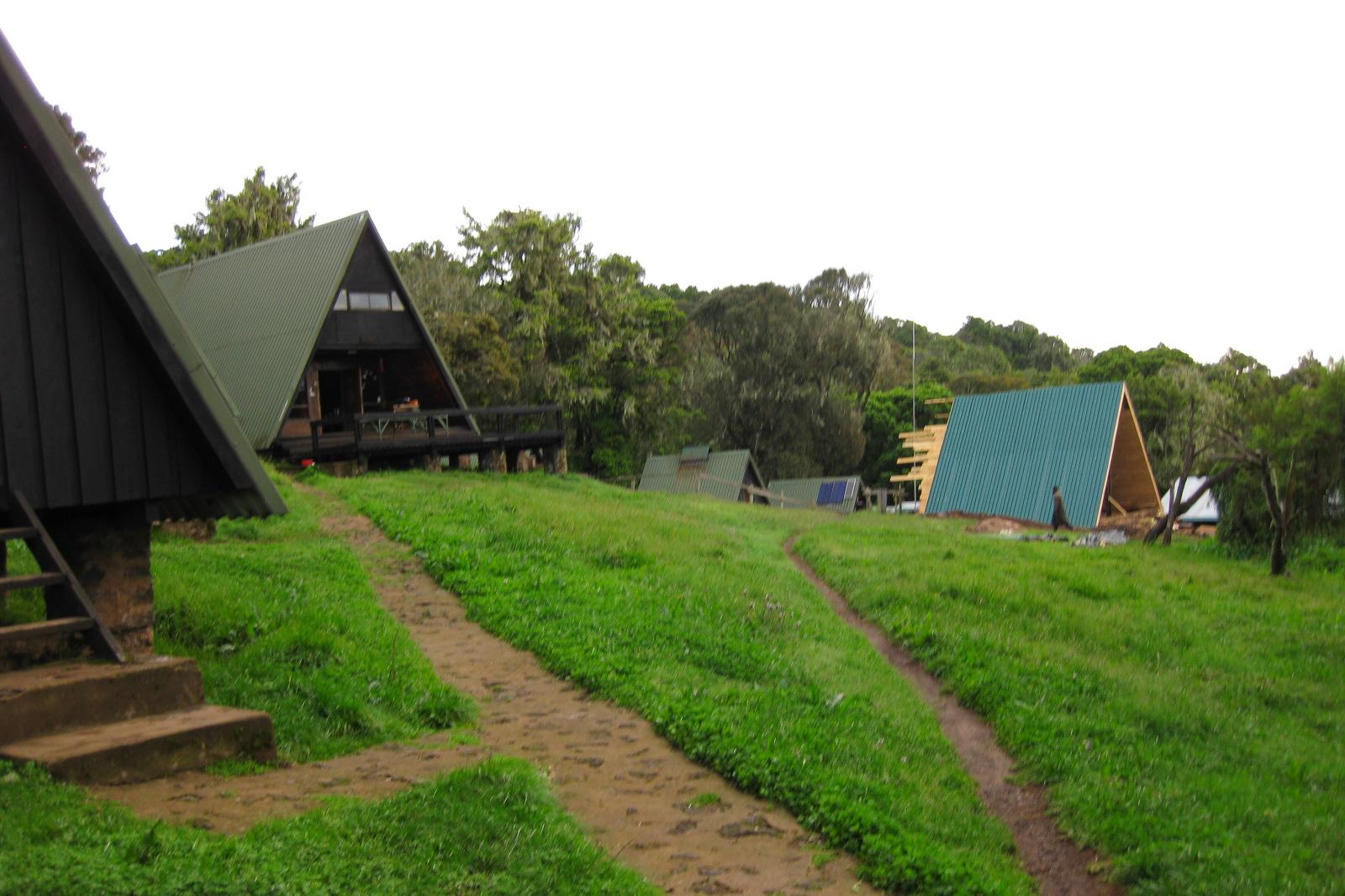
Nicknamed the "Coca-Cola Route" (a good-natured reference to its relative accessibility compared to the more rugged "Whisky Route" Machame), the Marangu Route is one of the most popular choices for climbers worldwide. Its appeal is clear: permanent A-frame wooden huts at each camp provide shelter, communal dining, and a roof overhead every night — something no other Kilimanjaro route offers. For climbers who do not want to sleep in tents, the Marangu Route is the only option available anywhere on Kilimanjaro.
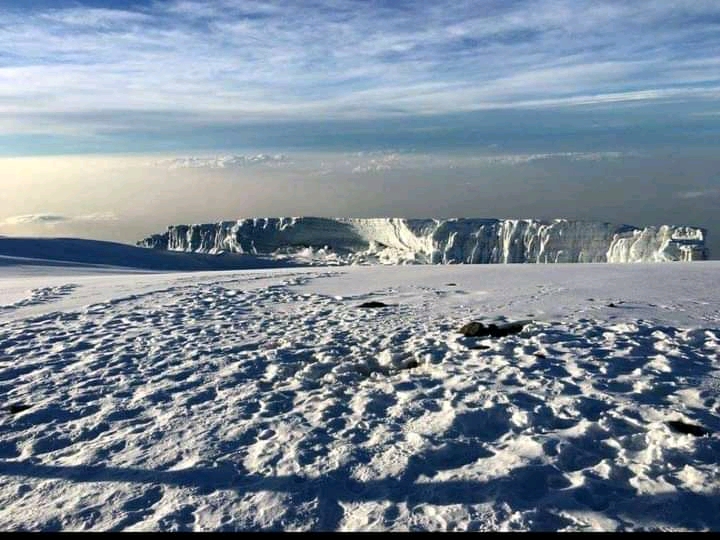
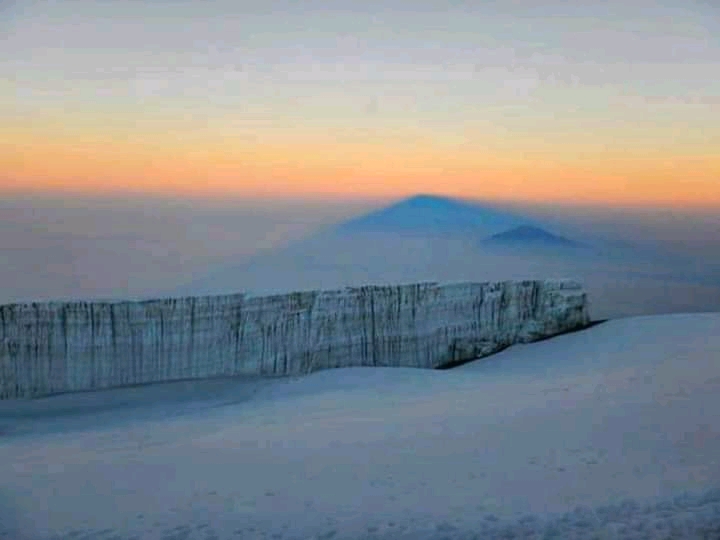
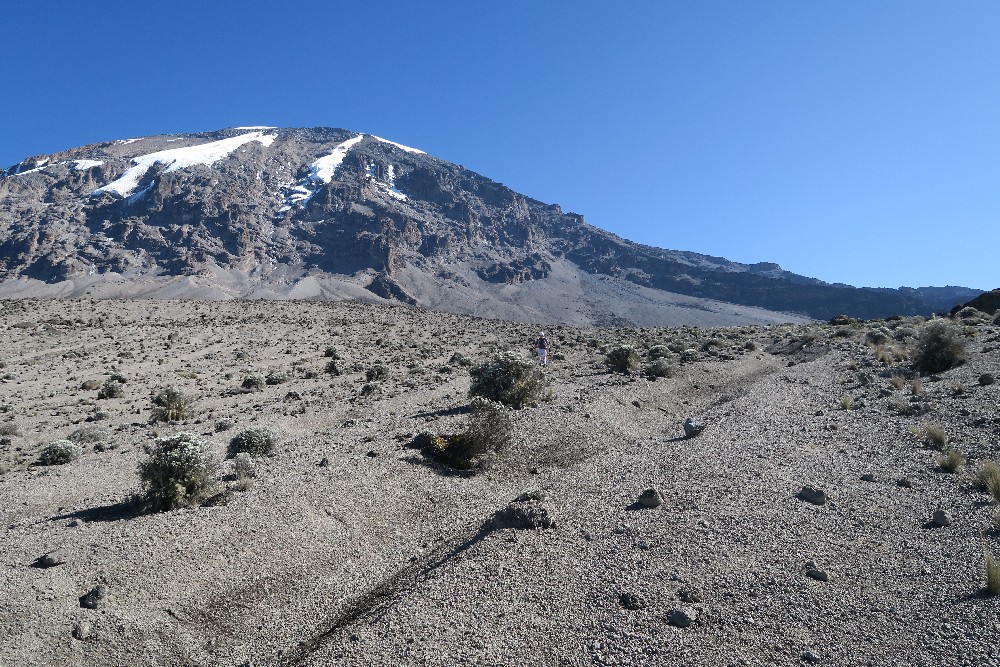
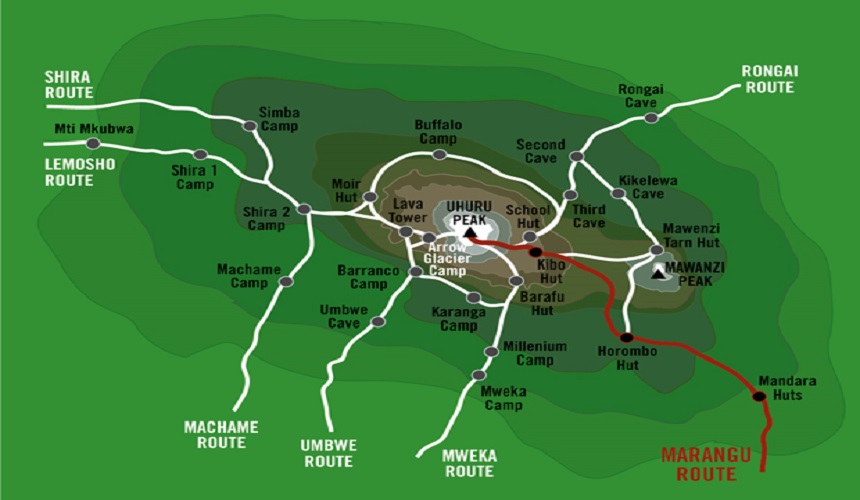
The route begins at Marangu Gate (1,860m / 6,100ft) on the southeastern slopes of Kilimanjaro, approximately 45km from Moshi town. It ascends gradually through five distinct ecological zones — tropical rainforest, heath and moorland, alpine desert, and the arctic summit zone — before reaching the rim of the Kibo crater and Uhuru Peak itself. Notably, it uses the same path for both ascent and descent, making it the only out-and-back route on the mountain.
The Marangu Route covers approximately 64 kilometres (40 miles) round trip over 5 or 6 days. The 6-day option is strongly recommended by our guide team — the extra acclimatization day at Horombo Huts (3,720m) substantially improves summit success rates and is the most important single decision a Marangu climber can make.
Key Facts About the Marangu Route
| Official Name | Marangu Route (also: "Coca-Cola Route," "Tourist Route") |
| Route Type | Out-and-back — same path ascent and descent |
| Start & End Gate | Marangu Gate (1,860m / 6,100ft) — both directions |
| Total Distance | ~64km (40 miles) round trip |
| Duration | 5 Days or 6 Days (6 strongly recommended) |
| Accommodation | Permanent A-frame huts — the ONLY route with huts |
| Hut Stops | Mandara Huts (2,720m) · Horombo Huts (3,720m) · Kibo Huts (4,703m) |
| Summit | Uhuru Peak (5,895m / 19,341ft) via Gillman's Point (5,685m) |
| Difficulty | Moderate (terrain) — Challenging (altitude) |
| Crowd Level | Moderate — busier during peak season (Jul–Aug) |
| Technical Sections | None — no scrambling, no ropes, no technical gear |
| Success Rate (5-Day) | ~50–65% (limited acclimatization) |
| Success Rate (6-Day) | 82%+ (Afro-Vertex with full health monitoring) |
| Tour Price From | $1,250 per person (5-day group, all-inclusive) |
| Approaches From | Southeast face of Kilimanjaro |
| Recommended For | No-camping preference · beginners (6-day) · budget climbers |
Why Climbers Choose the Marangu Route
Despite sometimes being called the "easy" route — a label our guide team considers misleading — the Marangu Route offers a set of genuine advantages that make it the right choice for a specific type of climber:
- No camping — permanent huts every night: The only route on all of Kilimanjaro where you never sleep in a tent. Beds, blankets, communal dining, and a roof are provided at every stop. This is the single most important differentiator of this route and cannot be replicated on any other Kilimanjaro trail.
- Most affordable summit route: Hut fees replace camping equipment costs. The 5-day Marangu at $1,250 is the lowest-priced all-inclusive summit option available anywhere on Kilimanjaro.
- Gradual, consistent gradient: The ascent profile is the most consistently moderate of any Kilimanjaro route — no steep ridges, no technical scrambles, no dramatic single-day elevation spikes outside of summit night.
- Shortest overall duration: 5 or 6 days is ideal for climbers with genuinely limited available time who still want a legitimate summit attempt.
- Historical significance: Walking the oldest established route on Kilimanjaro — the same trail used by early 20th-century explorers — has genuine appeal for climbers who appreciate the mountain's history.
- Well-maintained trail: The most regularly maintained trail on the mountain — clear signage, well-established path, no route-finding challenges.