+255 760 096 715 [email protected] Mkwawa Avenue 8011, Moshi — Kilimanjaro, Tanzania
Follow Us:
Premium Kilimanjaro Expedition 2026 - 2027 — Afro-Vertex, Moshi Tanzania

8 Days Kilimanjaro
Tours — The Complete 2026 - 2027 Guide

The premium Kilimanjaro duration — delivering 92–93% summit success rates through the best acclimatization schedules available outside the 9-day Northern Circuit. Three routes: Lemosho, Londorosi, and the Northern Circuit 8-day traverse. Full itineraries, prices, and departure dates for 2026 - 2027.

8Days
3Routes
92–93%Success Rate
$2,160Tours From
5,895mUhuru Peak
92–93% Summit Success KINAPA Certified KPAP Partner All-Inclusive from $2,160 Based in Moshi 3 Premium Routes
Premium Tier — 92–93% Success

8 Days Kilimanjaro Tours 2026 - 2027 — The Complete Guide

The 8-day Kilimanjaro tour is the premium standard — chosen by climbers who want the highest summit success rates available on a fixed-route itinerary without committing to the 9-day Northern Circuit. Three routes operate 8-day schedules, each offering a distinct experience at the same exceptional success level.

An 8-day Kilimanjaro tour provides what most altitude experts consider the ideal acclimatization window for Kilimanjaro's standard routes — sufficient time to ascend gradually, spend multiple nights at strategic intermediate altitudes, and allow the body to fully adapt before the summit push. The result is a 92–93% summit success rate: a 2–3% improvement over the 7-day equivalent that reflects the compounding physiological benefits of one additional acclimatization night.

Three routes are available at 8 days in 2026 - 2027. The 8-day Lemosho Route ($2,160) adds a dedicated Karanga Camp overnight after the Barranco Wall — giving climbers two consecutive nights at progressively higher altitude (Karanga 4,035m, Barafu 4,673m) before the summit. The 8-day Londorosi Route ($2,160) follows an identical profile via the more remote western gate. The 8-day Northern Circuit ($2,260) begins the full 360° traverse of Kilimanjaro, reaching the remote Buffalo Camp (4,020m) on the unmapped northern face before turning toward the summit — a unique terrain experience not available on any shorter schedule.

All 8-day Afro-Vertex tours are fully all-inclusive: all KINAPA park fees, KINAPA-certified guides, licensed KPAP-protected porters, all meals, complete camping equipment, and Moshi transfers. From $2,160 per person with no hidden costs.

Who Should Choose an 8-Day Kilimanjaro Tour

  • Climbers who want the highest success rate below 9 days — the 8-day delivers 92–93% vs 90%+ on 7-day and 95% on 9-day
  • Those with prior high-altitude experience who understand that every extra acclimatization day matters and want the best standard-route result
  • Climbers concerned about altitude sickness — the 8-day's gradual profile minimises AMS risk more effectively than any shorter duration
  • Anyone choosing Lemosho or Londorosi as their route — the 8-day is the natural optimal duration for these western approach routes
  • Northern Circuit beginners — the 8-day Northern Circuit is the entry point to the 360° traverse experience
  • Older climbers and those with lower cardio baselines — the longer, more relaxed daily profiles reduce physical stress across the board
The 8-Day Advantage

Why 8 Days Delivers 92%+ Summit Success

The 8-day format improves on the 7-day through a specific structural change — what happens between Barranco Wall and Barafu Camp — and through the cumulative benefit of one more night of altitude exposure before the summit push.

The Key Structural Difference

On the 7-day Lemosho or Machame, the sequence after the Barranco Wall is: Barranco Camp (3,976m) → Karanga Camp (4,035m) → Barafu Camp (4,673m). Karanga is an overnight stop, but the very next day the group pushes to Barafu and the summit that midnight.

On the 8-day Lemosho or Londorosi, the sequence is: Barranco Camp (3,976m) → Karanga Camp (4,035m) → overnight at Karanga → Barafu Camp (4,673m) → summit that midnight.

That single extra night at Karanga (4,035m) is the 8-day advantage. Instead of sleeping one night at 4,035m before pushing to 4,673m and the summit, climbers sleep two nights progressively — at 4,035m and 4,673m — giving their bodies an additional 8–10 hours of physiological adaptation before the summit push begins.

The physiology: At 4,000–4,500m, red blood cell production accelerates, erythropoietin levels rise, and breathing patterns begin adapting to reduced oxygen pressure. Every additional night in this altitude band meaningfully improves the body's oxygen-utilisation efficiency before the summit — where oxygen availability is only 50% of sea level.

8-Day vs 7-Day — At a Glance

7-Day Lemosho Success Rate90%+
8-Day Lemosho / Londorosi92%+
8-Day Northern Circuit93%
9-Day Northern Circuit (for reference)95%
Feature7-Day8-Day
Summit Success Rate90%+92–93%
Karanga Camp Nights1 night2 nights (8-day Lemosho)
Daily Elevation Average~570m/day~500m/day
Total Acclimatization Nights6 nights7 nights
Group Price$1,890$2,160
Price Difference+$270
Where 8 Days Sits

Kilimanjaro Duration Comparison — All Options

The 8-day tour highlighted in context of every available Kilimanjaro duration — showing exactly where it fits in the success rate, cost, and experience spectrum.

5

5-Day Tours

Shortest. Minimal acclimatization. Experienced altitude only.

50–65%
From $1,250
View 5-Day
6

6-Day Tours

Viable. One acclimatization day. Good for one-week travellers.

82–87%
From $1,500
View 6-Day
7

7-Day Tours

Global standard. Karanga Camp overnight. Best standard duration.

90%+
From $1,890
View 7-Day
8

8-Day — You Are Here

Premium tier. Extra Karanga night. Highest standard-route success.

92–93%
From $2,160
9

9-Day Tours

Northern Circuit 360° traverse. Absolute highest success rate.

95%
From $2,430
View 9-Day
The 8-day sweet spot: For climbers who genuinely want the highest achievable success rate on a Lemosho or Londorosi itinerary, the 8-day is the answer. It costs $270 more than the 7-day and provides a 2% success rate improvement with a noticeably more relaxed and immersive mountain experience. If Lemosho or Londorosi is your chosen route and you have the schedule flexibility — always choose 8 days over 7.
Three Premium Options

All 8-Day Kilimanjaro Tour Routes 2026 - 2027

Three routes, three completely different experiences — all delivering 92–93% summit success through the best acclimatization available on any standard Kilimanjaro itinerary.
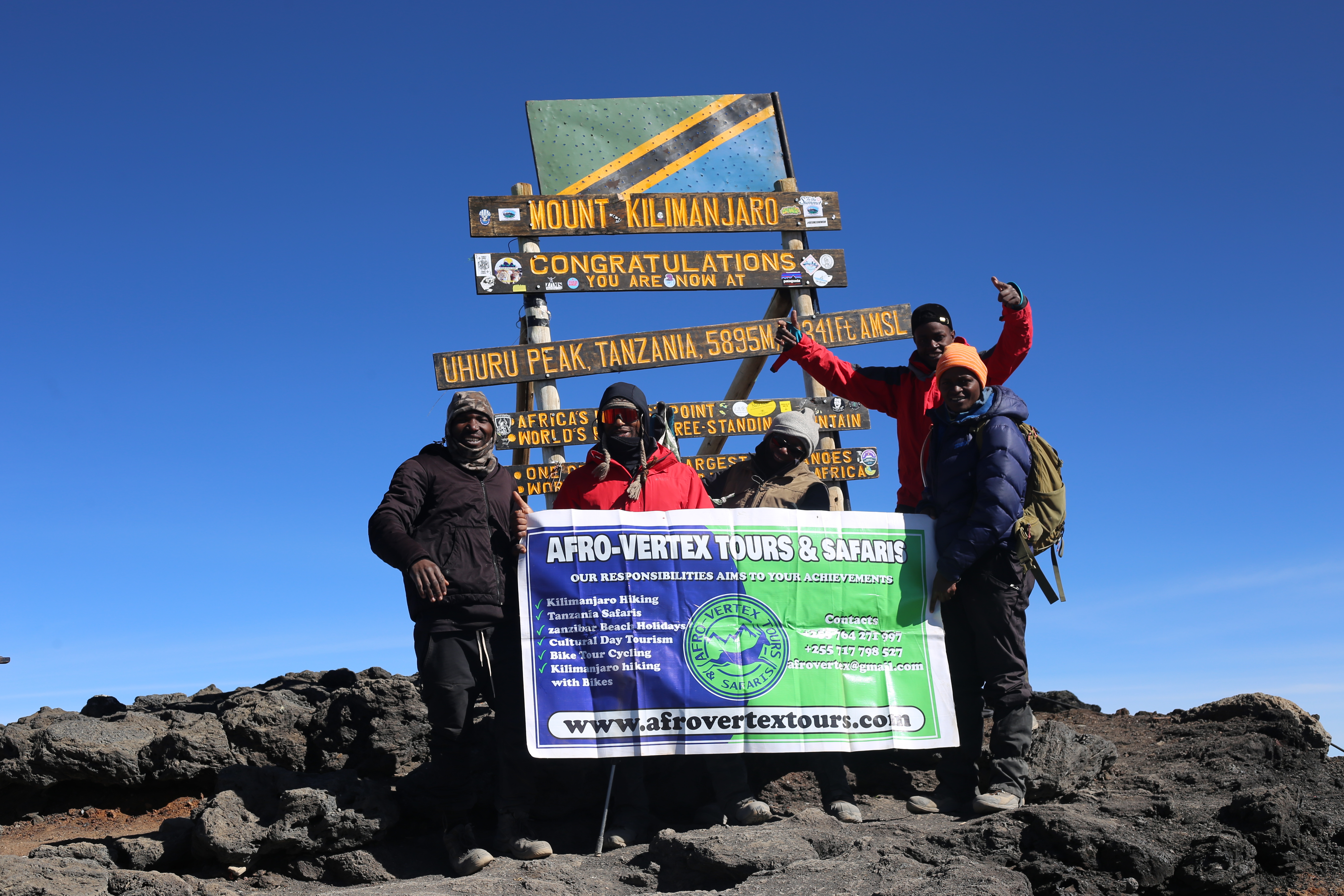
8 Days Kilimanjaro Lemosho Route Tour 2026 - 2027 Best Scenery 92%+ Success

8-Day Lemosho Route Tour

"The Scenic Masterpiece" — Premium Western Approach
8 DaysChallengingCampingFrom $2,160
92%+Success
~70kmDistance
$2,160From

The optimal version of Kilimanjaro's most beautiful route. The 8-day Lemosho adds a second overnight at Karanga Camp (4,035m) after the Barranco Wall — a dedicated extra acclimatization night that directly raises success from 90%+ (7-day) to 92%+. Pristine western forest approach, full Shira Plateau crossing, iconic Barranco Wall scramble, and the most relaxed daily pace of any Kilimanjaro route.
Summit success: 92%+ — 2 consecutive Karanga/Barafu acclimatization nights deliver this result
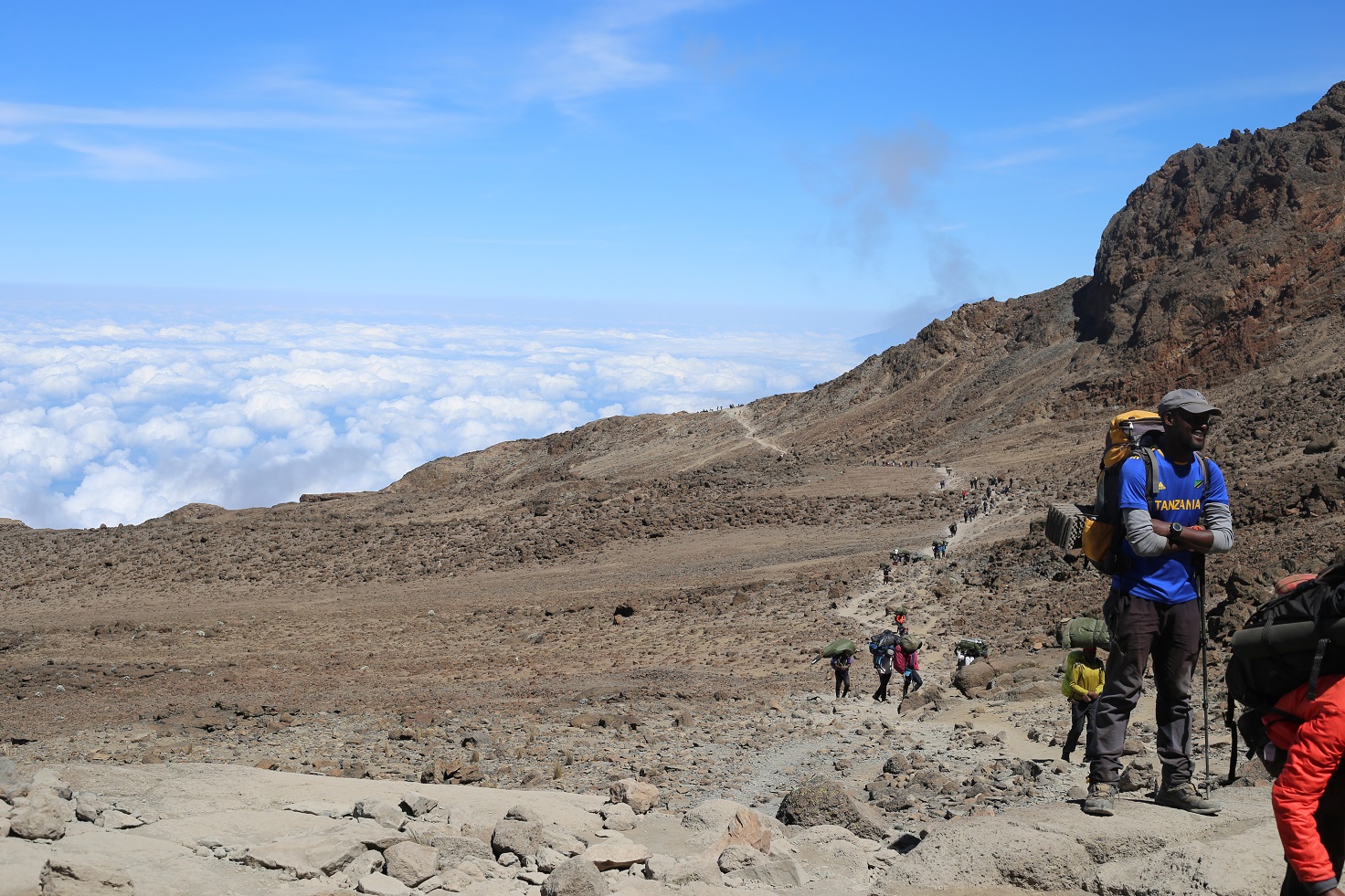
8 Days Kilimanjaro Londorosi Route Tour 2026 - 2027 Most Remote 92%+ Success

8-Day Londorosi Route Tour

"The Wild West" — Remotest Gate on Kilimanjaro
8 DaysChallengingCampingFrom $2,160
92%+Success
~72kmDistance
$2,160From

The most remote gate on all of Kilimanjaro. The Londorosi Route enters through the far western wilderness — more isolated than Lemosho and with the highest wildlife encounter potential on the mountain (elephant and buffalo regularly sighted near the gate). Joins the Lemosho trail at Shira 1 Camp (Day 2) and from there follows an identical 8-day itinerary with the same 92%+ success rate and same acclimatization profile.
Summit success: 92%+ — identical to 8-day Lemosho from Shira 1 onwards
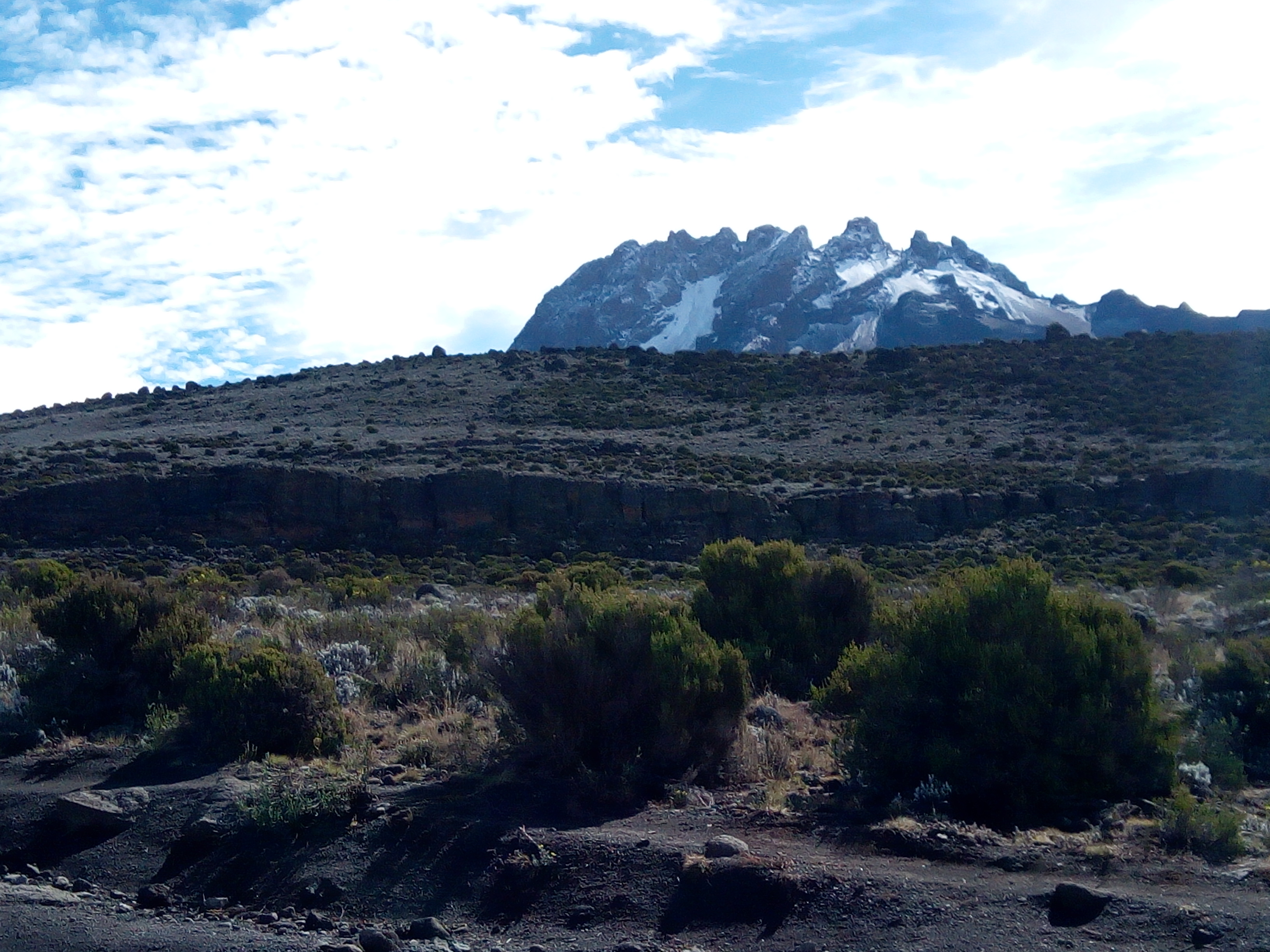
8 Days Kilimanjaro Northern Circuit Tour 2026 - 2027 360° Traverse Begins 93% Success

8-Day Northern Circuit Tour

"The Complete Traverse" — Remote Northern Face
8 DaysChallengingCampingFrom $2,260
93%Success
~80kmDistance
$2,260From

The entry point to Kilimanjaro's legendary Northern Circuit — the only route that traverses the remote northern face where almost no other climbers go. The 8-day NC follows the Lemosho approach to Shira 2, then diverges northward to Buffalo Camp (4,020m) on the uninhabited northern slopes — terrain that is genuinely off the beaten path. 93% success rate, $100 more than Lemosho, and a completely unique perspective of the mountain.

Summit success: 93% — Northern face traversal adds unique acclimatization benefit
All-Inclusive 2026 - 2027 Pricing

8-Day Kilimanjaro Tour Prices 2026 - 2027

Transparent all-inclusive pricing for all three 8-day routes. No hidden costs — everything below is fully covered in the quoted price.

Tour PackageRouteSuccess RateGroup PriceLuxury PriceDifference vs 7-DayBook
8-Day Lemosho Route TourLemosho92%+$2,160$4,000+$270 vs 7-dayBook Now
8-Day Londorosi Route TourLondorosi92%+$2,160$4,000+$270 vs 7-dayBook Now
8-Day Northern Circuit TourN. Circuit93%$2,260$4,000+$370 vs 7-dayBook Now

All prices per person USD. Group = joining departures. Luxury = private tour with premium lodge nights. All KINAPA park fees, camping, certified guides, porters, all meals, Moshi transfers included.

Included in All 8-Day Prices

  • All KINAPA park fees ($70/day entry + $50/night camping + $20 rescue)
  • Full premium camping equipment (mountain tents, sleeping mats, dining tent)
  • KINAPA-certified lead guide + assistant guides
  • Licensed KPAP-protected porters (2–3 per climber)
  • All meals throughout (3x daily + hot drinks + trail snacks)
  • Supplemental oxygen + twice-daily pulse oximeter monitoring
  • Return Moshi hotel to gate transfers
  • KINAPA summit certificate at gate

Budget Separately

  • Tanzania e-visa — $50 (visa.immigration.go.tz)
  • Travel insurance covering 5,895m altitude — $80–$200
  • Crew gratuities — $250–$400 total (8-day crew)
  • Gear rental from Moshi office (if needed)
  • International flights to JRO — $800–$1,200
  • Pre/post-climb Moshi accommodation — $20–$100/night
Total Budget Estimate (USA origin, 8-day Lemosho)
$2,160 tour + $950 flights + $50 visa + $120 insurance + $320 tips + $80 Moshi = ~$3,680/person
8-Day Lemosho — Full Itinerary

8-Day Lemosho Route — Day by Day 2026 - 2027

The optimal version of Kilimanjaro's most beautiful route. The 8-day adds a dedicated extra night at Karanga Camp (4,035m) — between Barranco Wall and Barafu — delivering the 92%+ success rate that makes this the gold-standard Lemosho itinerary.

D1

Lemosho Gate → Big Tree Camp (Mti Mkubwa)

2,100m → 2,750m | 7km | 3–4 hrs
7km 3–4 hrs +650m Big Tree Camp

Transfer from Moshi to Lemosho Gate (2,100m) — a 2–3 hour drive through the lower slopes. The Lemosho Gate is located deep in the western buffer zone of Kilimanjaro National Park, accessible via rough forest tracks that already feel remote and wild. The trail enters pristine montane rainforest immediately — ancient podocarpus trees, lichen-draped canopy, and the genuine possibility of buffalo or elephant near the gate. Big Tree Camp (2,750m) sits in a forest clearing surrounded by giant trees that give the camp its name.

  • Most biodiverse entry point on Kilimanjaro — highest wildlife potential of any route Day 1
  • Buffalo, elephant, colobus monkeys regularly encountered in the buffer forest zone
  • Big Tree Camp: one of the most beautiful first-night camps on the mountain
  • Short day by design — conserve energy and begin acclimatization at a comfortable pace
D2

Big Tree Camp → Shira 1 Camp

2,750m → 3,500m | 9km | 5–6 hrs
9km 5–6 hrs +750m Shira 1 Camp

The trail climbs from forest through heathland into the lower moorland, with giant heather trees up to 10m tall lining the upper sections. The vegetation becomes increasingly otherworldly. Shira 1 Camp (3,500m) sits at the western edge of the Shira Plateau — Africa's highest plateau and the collapsed caldera of an ancient shield volcano predating Kibo itself. First broad views of the plateau stretching ahead, with Kibo's summit cone appearing on the horizon.

  • Heath to moorland transition — dramatic vegetation change
  • Shira 1 Camp (3,500m): first high-altitude night — altitude effects may begin mildly
  • Shira Plateau: largest high-altitude plateau in Africa at 3,500–3,840m
D3

Shira 1 → Shira 2 Camp — Full Plateau Crossing

3,500m → 3,840m | 9km | 4–5 hrs
9km 4–5 hrs +340m Shira 2 Camp

A magnificent open crossing of the full Shira Plateau under the wide East African sky. The moorland stretches in all directions — extraordinary giant groundsels and lobelias growing to heights impossible at lower elevations. Western Breach glacier walls become visible ahead as the plateau is crossed. Shira 2 Camp (3,840m) is where the Lemosho Route converges with the Machame Route — from here, both trails share the same path to the summit. Optional afternoon acclimatization hike to the Shira Cathedral (3,980m) for early altitude exposure.

  • Full Shira Plateau crossing — extraordinary open high-altitude landscape
  • Shira Cathedral optional afternoon hike: reach ~3,980m while sleeping at 3,840m
  • Lemosho joins Machame at Shira 2 — the trails share paths to the summit from here
D4

Shira 2 → Lava Tower → Barranco Camp

3,840m → 4,630m → 3,976m | 14km | 6–8 hrs
14km 6–8 hrs +790m / −654m Barranco Camp

The critical acclimatization day. The route traverses open moorland before climbing to the dramatic Lava Tower (4,630m) — a volcanic monolith at the base of the Western Breach — for lunch. At 4,630m, the Southern Icefield glacier walls are visible at close range for the first time. The descent to Barranco Camp (3,976m) follows the "climb high, sleep low" principle — maximum acclimatization stimulus with minimum overnight altitude exposure. Barranco Camp sits below the dramatic Barranco Wall.

  • Lava Tower (4,630m): first exposure above 4,500m — physiologically critical
  • By Day 4, Lemosho climbers have had 3 nights above 2,750m — significantly better acclimatized than shorter-route climbers at the same point
  • Barranco Camp: spectacular position at the base of the iconic Barranco Wall
D5

Barranco Wall → Karanga Camp

3,976m → 4,035m | ~5km | 4–6 hrs
~5km 4–6 hrs +59m net Karanga Camp

The iconic Barranco Wall — 257 metres of hands-and-feet volcanic rock scrambling that is simultaneously the most challenging and most exhilarating non-summit section on any Kilimanjaro route. No ropes or technical gear required, but the exposure on the wall's upper sections demands full attention. Views from the top across the Shira Plateau stretch for hundreds of kilometres. After the wall, a shorter day to Karanga Camp (4,035m) — the site of the crucial 8-day extra overnight that separates this itinerary from the 7-day schedule.

  • Barranco Wall: scramble hands-and-feet up 257m of volcanic rock — the route's most memorable moment
  • Views from the top: among the most photographed moments on all of Kilimanjaro
  • Karanga Camp (4,035m): arrive early, rest well — tonight is night 1 of the 8-day advantage
D6

Karanga Camp → Barafu Camp 8-Day Extra Night

4,035m → 4,673m | ~5km | 3–4 hrs
~5km 3–4 hrs +638m Barafu Camp 8-Day Advantage

The specific structural element that separates the 8-day from the 7-day. On the 7-day schedule, Karanga Camp is an overnight stop with the summit push beginning the very next night from Barafu. On the 8-day, Day 5 provides a full second night at Karanga (4,035m) before this Day 6 move to Barafu (4,673m). That extra night at 4,035m means climbers arrive at Barafu already physiologically adapted to 4,000m+ altitude — rather than adapting to it and immediately summiting the same midnight.

A deliberately short day — 3–4 hours only. Arrive at Barafu by midday. Eat a complete meal, drink 3–4 litres of water, and sleep from early afternoon. Midnight wake-up call in approximately 10–12 hours. The summit cone of Kibo towers directly overhead from Barafu — you are sleeping at the base of Africa's roof.

  • This is the extra overnight at Karanga making this an 8-day instead of 7-day schedule
  • Climbers reach Barafu already acclimatized to 4,000m+ — a critical physiological advantage
  • Short day: arrive early, rest maximally — every hour of sleep before midnight matters
  • Midnight departure: 23:00–00:00
D7

Barafu Camp → Stella Point → Uhuru Peak → Mweka Camp

4,673m → 5,756m → 5,895m → 3,068m | ~16km | 12–16 hrs
~16km total 12–16 hrs +1,222m Summit Day

Midnight departure from Barafu (4,673m). Full cold-weather layers, headlamp on, hot tea and snacks. The group ascends the steep scree slope toward Stella Point (5,756m) on the crater rim — 5–7 hours in darkness, cold (−10°C to −20°C), and thin air (50% sea-level oxygen). Pole pole. One step at a time. Stella Point at dawn — the shadow of Kilimanjaro stretching hundreds of kilometres across Tanzania below you as the sun rises from the Indian Ocean horizon.

From Stella Point, continue 45 minutes along the crater rim to Uhuru Peak (5,895m) — the highest point in Africa. Full summit experience: the crater, the shrinking glaciers, the extraordinary views, and the summit sign. Then the full descent — all the way to Mweka Camp (3,068m) the same day. Descending 2,800m in one afternoon is demanding — trekking poles are essential protection for the knees.

  • Stella Point (5,756m): valid KINAPA summit — crater rim — your first official summit point
  • Uhuru Peak (5,895m): the Roof of Africa — 45 minutes beyond Stella at crater rim altitude
  • Glacier views: the remaining Southern Icefield glaciers are visible from the summit
  • Descent to Mweka Camp (3,068m): steep Mweka Route, 6–8 hours, trekking poles critical
D8

Mweka Camp → Mweka Gate — Final Descent

3,068m → 1,640m | 10km | 3–4 hrs
10km 3–4 hrs −1,428m Summit Certificate

The final rainforest descent to Mweka Gate (1,640m). Porter crew sing traditional Swahili celebration songs. The rainforest smells extraordinary after seven days in the alpine zones above. At Mweka Gate, the KINAPA summit certificate is signed and presented — Uhuru Peak (5,895m) or Stella Point (5,756m). Crew tip ceremony. Transfer back to Moshi for the best shower, meal, and sleep of your life.

  • Tip ceremony at gate — $250–$400 budget recommended for 8-day crew
  • KINAPA certificate signed by ranger at gate
  • Moshi transfer typically arrives by early afternoon

8-Day Lemosho Route — Full Elevation Profile

GateLemosho Gate
2,100m / 6,890ft
Day 1Big Tree Camp
2,750m / 9,022ft
Day 2Shira 1 Camp
3,500m / 11,483ft
Day 3Shira 2 Camp
3,840m / 12,598ft
Day 4 AMLava Tower
4,630m / 15,190ft (day)
Day 4 PMBarranco Camp
3,976m / 13,045ft
Day 5Karanga Camp — Night 1
4,035m / 13,238ft
Day 6Barafu Camp 8d key
4,673m / 15,331ft
Day 7Stella Point
5,756m / 18,885ft
Day 7Uhuru Peak SUMMIT
5,895m / 19,341ft
Day 7 PMMweka Camp
3,068m / 10,065ft
Day 8Mweka Gate
1,640m / 5,380ft
Most Remote 8-Day Option

8-Day Londorosi Route — Itinerary 2026 - 2027

The Londorosi Route enters via the most remote gate on Kilimanjaro, joining the Lemosho trail at Shira 1 (Day 2). From Shira 1 onwards, the 8-day Londorosi and 8-day Lemosho share an identical itinerary — same camps, same acclimatization profile, same 92%+ success rate.

DayStageStartEndDistanceDurationCamp
Day 1Londorosi Gate → Big Tree Camp2,100m2,750m7km3–4 hrsBig Tree Camp
Day 2Big Tree Camp → Shira 1 Camp2,750m3,500m9km5–6 hrsShira 1 Camp
Day 3Shira 1 → Shira 2 Camp (joins Lemosho)3,500m3,840m9km4–5 hrsShira 2 Camp
Day 4Shira 2 → Lava Tower (4,630m) → Barranco Camp3,840m3,976m14km6–8 hrsBarranco Camp
Day 5Barranco Wall → Karanga Camp (Night 1)3,976m4,035m~5km4–6 hrsKaranga Camp
Day 6Karanga Camp → Barafu Camp [8-Day Extra Night]4,035m4,673m~5km3–4 hrsBarafu Camp
Day 7Barafu → Stella Point → Uhuru Peak → Mweka Camp4,673m5,895m → 3,068m~16km12–16 hrsMweka Camp
Day 8Mweka Camp → Mweka Gate3,068m1,640m10km3–4 hrs
Londorosi Unique Feature: The Londorosi Gate provides access to the most remote section of Kilimanjaro's western buffer forest — more isolated than even the Lemosho Gate. Elephant, buffalo, and giant forest hogs are regularly encountered in the forest leading up to Londorosi. If wildlife close to the gate matters to you, the Londorosi approach is superior to any other 8-day option. The itinerary from Shira 1 onward is identical to 8-day Lemosho — same success rate, same acclimatization, same price.
Northern Face Traverse — 93% Success

8-Day Northern Circuit Route — Full Itinerary 2026 - 2027

The 8-day Northern Circuit diverges from the Lemosho path after Shira 2, heading northward into genuinely unmapped territory — reaching Buffalo Camp (4,020m) on the remote northern face before turning for the summit via School Hut. A 93% success rate, complete solitude, and a mountain experience found nowhere else on Kilimanjaro.

D1

Lemosho Gate → Big Tree Camp

2,100m → 2,750m | 7km | 3–4 hrs
7km 3–4 hrs +650m Big Tree Camp

The 8-day Northern Circuit begins identically to the Lemosho Route — entering via Lemosho Gate (2,100m) through the pristine western rainforest. Big Tree Camp (2,750m) in the forest clearing. Same wildlife potential, same remote approach, same beautiful first-night camp. From Day 4, the itinerary diverges significantly northward.

  • Same western approach as Lemosho — identical Days 1–3
  • Western forest zone: highest wildlife potential of any Kilimanjaro gate
D2

Big Tree Camp → Shira 1 Camp

2,750m → 3,500m | 9km | 5–6 hrs

Identical to 8-day Lemosho Day 2. Forest to heathland to moorland transition. Shira 1 Camp (3,500m) at the western plateau edge.

D3

Shira 1 → Shira 2 Camp — Plateau Crossing

3,500m → 3,840m | 9km | 4–5 hrs

Full Shira Plateau crossing. Shira 2 Camp (3,840m). Identical to Lemosho Day 3. The following day, the Northern Circuit diverges from Lemosho's southward trajectory and heads north — into genuinely new terrain.

D4

Shira 2 → Lava Tower → Northern Circuit Diverges → Buffalo Camp

3,840m → 4,630m → 4,020m | ~16km | 7–9 hrs
~16km 7–9 hrs North traverse begins NC Only

The day the Northern Circuit becomes its own route. From Shira 2, the trail initially follows the Lemosho path toward Lava Tower — but rather than descending south to Barranco Camp, the Northern Circuit turns north at Lava Tower, beginning the 360° traverse. The terrain immediately changes: fewer trails, less footprint, and the extraordinary experience of Kilimanjaro's completely uninhabited northern face opens ahead.

Buffalo Camp (4,020m) sits on the remote northern slopes — an altitude similar to Barranco (3,976m) but in a completely different world. No other route comes here. The northern face of Kibo is stark, dramatic, and unpopulated. Views north toward Kenya and the distant plains are extraordinary from this unique perspective. Most Kilimanjaro climbers never see this side of the mountain — on the Northern Circuit, it is Day 4.

  • Lava Tower (4,630m): acclimatization high point before Buffalo Camp
  • Northern divergence: turns north at Lava Tower — leaving Lemosho trail behind
  • Buffalo Camp (4,020m): remote northern face — no other standard route reaches here
  • Northern face views: Kenya, Amboseli plains, and Mawenzi from the north side
D5

Buffalo Camp → School Hut (Kibo North Huts)

4,020m → 4,750m | ~9km | 5–7 hrs
~9km 5–7 hrs +730m School Hut 4,750m NC Traverse

Continuing the northern traverse with a significant altitude gain. The trail climbs across the remote northeastern slopes of Kibo — terrain that is simultaneously stark and magnificent. Near-total solitude on this section of the trail even in peak season. School Hut (also called Kibo North Huts, 4,750m) sits at the highest pre-summit camp on any Kilimanjaro route — 77m higher than Barafu (4,673m) on the southern routes. This altitude advantage, combined with the Northern Circuit's superior acclimatization profile, is why the 8-day NC achieves 93% success.

  • Remote northeastern slopes: near-total solitude even in peak season
  • School Hut (4,750m): highest pre-summit camp on any Kilimanjaro route
  • 77m higher than Barafu — marginal altitude advantage for the summit push
D6

School Hut → Uhuru Peak → Horombo Huts (Descent)

4,750m → 5,895m → 3,720m | ~18km | 12–15 hrs
~18km 12–15 hrs +1,145m Summit Day

Midnight departure from School Hut (4,750m). The summit approach on the Northern Circuit ascends via Hans Meyer Cave and continues to the crater rim. Because the Northern Circuit approaches from the north rather than the south, the final push feels different — the Furtwängler Glacier and the northern icefield are visible on the approach. Summit at Uhuru Peak (5,895m). Then full descent via the Marangu Route to Horombo Huts (3,720m).

  • Hans Meyer Cave: named for Kilimanjaro's first summiteer (1889) — the original approach
  • Uhuru Peak (5,895m): same summit, unique northern approach perspective
  • Descent via Marangu Route to Horombo Huts (3,720m) — different descent from Mweka used by southern routes
D7

Horombo Huts → Marangu Gate

3,720m → 1,860m | 20km | 5–6 hrs
20km 5–6 hrs −1,860m Summit Certificate

Final descent from Horombo Huts through moorland and rainforest to Marangu Gate. KINAPA summit certificate issued. Crew tip ceremony. Transfer to Moshi. Note: the 8-day Northern Circuit exits via the Marangu Gate — a different gate from the Lemosho/Londorosi entry. This is the unique "traverse" character of the Northern Circuit.

  • Marangu Gate: the exit point — different from the Lemosho entry gate
  • Only route that enters and exits via different gates on an 8-day schedule
  • Transfer from Marangu Gate to Moshi provided by Afro-Vertex

8-Day Northern Circuit — Elevation Profile

GateLemosho Gate
2,100m / 6,890ft
Day 1Big Tree Camp
2,750m / 9,022ft
Day 2Shira 1 Camp
3,500m / 11,483ft
Day 3Shira 2 Camp
3,840m / 12,598ft
Day 4 AMLava Tower
4,630m / 15,190ft (day)
Day 4 PMBuffalo Camp NC only
4,020m / 13,189ft
Day 5School Hut (Kibo N.)
4,750m / 15,584ft
Day 6Uhuru Peak SUMMIT
5,895m / 19,341ft
Day 6 PMHorombo Huts
3,720m / 12,205ft
Day 7Marangu Gate
1,860m / 6,100ft
Why the Northern Circuit achieves 93%: The 8-day Northern Circuit's superior success rate (93% vs 92%+ on Lemosho) comes from the combination of School Hut's higher elevation (4,750m vs 4,673m at Barafu) and the traverse's unique acclimatization profile — spending time on the northern face adds a different altitude exposure pattern compared to the direct southern-face approach. It is also the only 8-day route that approaches the summit from the north via Hans Meyer Cave.
Fixed Group Departures

8-Day Kilimanjaro Tour Departure Dates 2026 - 2027 — All 12 Months

Group joining departures throughout 2026 - 2027 on all three 8-day routes. Guaranteed to depart regardless of group size. Private tours on any date with 2 weeks notice.

January 2026 - 2027

Secondary Dry Season
Departures: 3rd · 10th · 17th · 24th · 31st — Lemosho, Londorosi, Northern Circuit

February 2026 - 2027

Secondary Dry Season
Departures: 7th · 14th · 21st · 28th — All three routes available

March 2026 - 2027

Shoulder Season
Departures: 7th · 14th · 21st · 28th — Lemosho, Londorosi, Northern Circuit

April 2026 - 2027

Long Rains
Departures: 11th · 25th — Northern Circuit (driest) preferred. Lemosho/Londorosi available.

May 2026 - 2027

Long Rains
Departures: 9th · 23rd — Northern Circuit recommended. Available on all 3 routes.

June 2026 - 2027

Peak Season Begins
Departures: 6th · 13th · 20th · 27th — All routes. Book ahead for June.

July 2026 - 2027

Peak Season
Departures: 4th · 11th · 18th · 25th — All routes. Book 3–4 months ahead for July.

August 2026 - 2027

Peak Season
Departures: 1st · 8th · 15th · 22nd · 29th — All routes. Most popular departure month.

September 2026 - 2027

Excellent Conditions
Departures: 5th · 12th · 19th · 26th — All routes, declining crowds

October 2026 - 2027

Excellent Conditions
Departures: 3rd · 10th · 17th · 24th · 31st — All routes available

November 2026 - 2027

Short Rains
Departures: 7th · 21st — Northern Circuit preferred. Lemosho/Londorosi available.

December 2026 - 2027

Festive Season
Departures: 5th · 12th · 19th · 26th — All routes. Christmas and New Year specials available.
Advance booking: 8-day premium tours are our most popular bookings by value and fill several weeks in advance for peak months. Contact us via WhatsApp (+255 760 096 715) to confirm specific dates. Private tours can be arranged on any date with 2 weeks notice for most months.
The Numbers — Premium Tier

8-Day Kilimanjaro Success Rates — All Routes 2026 - 2027

92–93% summit success rates driven by the best acclimatization schedules available on standard Kilimanjaro routes. Here is the data and the analysis behind it.

8-Day Success Rates — Route Comparison

8-Day Northern Circuit93%
School Hut (4,750m) + northern traverse acclimatization = highest 8-day rate
8-Day Lemosho Route92%+
Extra Karanga Camp overnight is the decisive acclimatization factor
8-Day Londorosi Route92%+
Identical to Lemosho from Shira 1 — same acclimatization profile
7-Day Lemosho (comparison)90%+
+1 extra night at Karanga on the 8-day accounts for the 2% improvement
9-Day Northern Circuit (reference)95%
Full 360° traverse — absolute highest success rate on Kilimanjaro

What Drives 8-Day Success

The 92–93% 8-day success rate reflects a specific physiological advantage over the 7-day schedule. By the time an 8-day Lemosho climber departs Barafu at midnight on Day 7, their body has spent consecutive nights at: 2,750m, 3,500m, 3,840m, 3,976m, 4,035m, and 4,673m — six progressive acclimatization nights building from tropical forest to alpine desert.

The 7-day climber's sequence is: 3,020m, 3,840m, 3,976m, 4,035m, 4,673m — five nights. The 8-day's extra night at Karanga (4,035m) between Barranco Wall and Barafu pushes the total to six nights and adds the critical 4,000m+ exposure night before Barafu.

Additional success factors on 8-day tours:

  • More relaxed daily profiles — average 500m gain per day vs 570m on 7-day
  • More total rest hours before summit night — earlier Barafu arrivals mean longer sleep windows
  • Lower accumulated physical fatigue over 7 trekking days vs 6
  • More time for our guides' twice-daily health monitoring to catch and address AMS early
Best non-circuit choice: For climbers choosing a fixed-route tour (not the Northern Circuit traverse), the 8-day Lemosho is the single highest-success standard option available anywhere on Kilimanjaro at 92%+. Only the 9-day Northern Circuit (95%) reliably outperforms it.
The Decision

8-Day vs 7-Day Kilimanjaro — Which Should You Choose?

The difference between 7 days and 8 days is one extra Karanga Camp overnight. Here is the complete honest comparison to help you decide.

7-Day Lemosho Tour

$1,890/person Group tour, all-inclusive
Summit Success Rate90%+
  • 6 trekking days (Days 1–6)
  • Karanga Camp — 1 night (4,035m)
  • 5 acclimatization nights before summit
  • Average ~570m elevation gain per day
  • $270 less than 8-day equivalent
  • Best for: limited schedule, one-week trips
View 7-Day Tours

8-Day Lemosho Tour

$2,160/person Group tour, all-inclusive
Summit Success Rate92%+
  • 7 trekking days (Days 1–7)
  • Karanga Camp — 2 nights (4,035m)
  • 6 acclimatization nights before summit
  • Average ~500m elevation gain per day
  • More relaxed pacing — more enjoyable experience
  • Best for: maximum success, altitude concerns, older climbers
Book 8-Day Lemosho
Our guidance: Choose 7 days if one week is genuinely your maximum available time and you are in good cardiovascular shape. Choose 8 days if you have the schedule flexibility, are older than 55, have experienced altitude difficulty in the past, or simply want the highest possible probability of standing at Uhuru Peak. The $270 difference is the best summit-probability investment available at this tier.
When to Go

Best Time for 8-Day Kilimanjaro Tours 2026 - 2027

8-day tours run year-round. Route choice matters more in wet season than duration at the 8-day level — here is the complete seasonal guide.

Best Season

January–March

Secondary dry season — excellent conditions on all three 8-day routes. January and February deliver peak-quality weather with significantly fewer climbers than July–August. The 8-day Lemosho in January or February is arguably Kilimanjaro's best overall climbing experience — empty western trails, clear skies, and outstanding summit views.

Jan · Feb · Mar
Peak Season

June–October

Main dry season. Best overall weather on the mountain across all routes. July and August are busiest — group energy is high, trails are active, conditions are optimal. September and October offer the same quality conditions with noticeably fewer climbers. The Northern Circuit is particularly special in September–October as crowds on the southern face thin significantly.

Jun · Jul · Aug · Sep · Oct
Viable

November–December

November short rains affect all routes. The 8-day Northern Circuit, which traverses drier northern slopes, is notably more resilient to November rains than Lemosho or Londorosi. December conditions improve through the month toward the festive season. Late December 8-day Lemosho departures are excellent.

Nov · Dec
Northern Circuit Preferred

April–May

Long rainy season. The 8-day Northern Circuit is the preferred choice in April–May as it spends the most time on the drier northern face. If Lemosho or Londorosi is strongly preferred, conditions remain viable but expect wetter trail sections through the western and southern zones. Our team advises Northern Circuit for wet-season 8-day bookings.

Apr · May — N.Circuit recommended
Premium Expedition Preparation

Training for an 8-Day Kilimanjaro Tour 2026 - 2027

The 8-day tour's more relaxed pacing reduces physical demands — but the altitude challenge remains identical to shorter options. Start 3–4 months ahead with intentional, specific training.

Build Cardiovascular Endurance

The 8-day involves approximately 45–55 hours of walking over 8 days. Build to 45–60 minute sustained cardio sessions 4–5 days per week. Running, cycling, swimming, or rowing. Your aerobic base directly determines how efficiently your body uses limited oxygen at 5,000m+.

Long Day Hikes — Most Important Training

Build to 18–22km day hikes carrying a 7–8kg pack every weekend for the final 8 weeks. Include significant cumulative elevation gain (600–800m per hike). This trains the specific physiological demands of the actual climb better than any gym-based alternative.

Sustained Incline Training

Stair climbing, steep treadmill intervals, or hill repeats 2–3 times per week. The 8-day tours still involve 4,000m+ of total elevation gain — your legs must be conditioned for sustained uphill work under load over many hours. Focus on glutes, quadriceps, and calves specifically.

Descent-Specific Strength

Eccentric quadriceps exercises — slow step-downs, single-leg squats, wall sits — protect your knees on the long Day 7–8 descents. The 8-day Lemosho descends 4,255m from summit to gate: undertrained quads fail in this section and cause the most common injuries on any Kilimanjaro tour at any duration.

Boot Break-In — Non-Negotiable

Wear your Kilimanjaro boots on every training hike at least 8 weeks before departure. New boots on summit day cause debilitating blisters. Every training hike hardens specific friction points. This is the single most common preventable issue among climbers at every fitness level.

Altitude Pre-Exposure

Any prior altitude exposure above 3,000m meaningfully improves your physiological response on Kilimanjaro. Skiing, Alpine hiking, or climbing at elevation in the 6 months before your tour is the most valuable preparation you can add beyond cardiovascular training. Even one weekend above 2,500m helps.

Medical Preparation

Consult your doctor 6–8 weeks before departure. Discuss Diamox (Acetazolamide) for altitude prevention, cardiovascular fitness testing if you have any concerns, and any current medication interactions. Request a baseline blood oxygen reading. Altitude sickness does not discriminate by fitness level — medical preparation is essential.

Mental Preparation for Summit Night

At 8 days, your body will be better prepared than on any shorter schedule — but summit night is still 12–16 hours in darkness, cold, and thin air. Deliberate mental preparation — visualising continuing through significant discomfort, practising mindfulness under physical stress — directly improves summit night performance in a way that no additional physical training can replicate.

What to Pack

8-Day Kilimanjaro Packing List 2026 - 2027

Temperature range: +25°C at the gate to −20°C at the summit. Eight days means more gear turnover in camp — the organisational notes here help you manage the longer duration comfortably.

Upper Body Layers

  • Moisture-wicking base layer tops (x3 — extra for 8 days)
  • Thermal long-sleeve layer
  • Fleece or softshell mid-layer
  • Insulated summit jacket (−10°C+)
  • Waterproof windproof shell jacket
  • Light hiking shirts (x2–3)

Lower Body

  • Thermal base layer leggings (x2)
  • Trekking trousers (x2 pairs)
  • Waterproof shell trousers
  • Camp trousers / warm eveningwear

Head, Neck & Hands

  • Warm insulated beanie hat
  • Sun hat or cap (daytime)
  • Balaclava — mandatory summit
  • Neck gaiter or scarf
  • Lightweight liner gloves
  • Waterproof insulated mittens

Footwear & Poles

  • Waterproof ankle hiking boots (well broken-in)
  • Camp sandals (8 evenings — essential for comfort)
  • Merino wool socks (6 pairs — one extra vs 7-day)
  • Liner socks (2–3 pairs)
  • Two trekking poles (strongly recommended)
  • Gaiters (summit scree zone)

Sleeping

  • Sleeping bag −15°C (mandatory)
  • Sleeping bag liner (+5°C extra warmth)
  • Headlamp + 3 spare battery sets
  • Ear plugs (camp noise 8 nights)
  • Eye mask for light sleepers

Bags & Organisation

  • Day pack 20–25L (you carry)
  • Duffel bag 70–80L (porter, max 15kg)
  • Waterproof rain covers for both
  • Multiple dry bags for organisation
  • Ziplock bags for daily clothing sets
  • Small padlock for duffel

Health & Sun

  • Sunscreen SPF 50+ (2 tubes for 8 days)
  • UV400 glacier sunglasses
  • Lip balm with SPF
  • Blister care (Compeed — generous supply)
  • Diamox if prescribed
  • Ibuprofen / paracetamol
  • Biodegradable toiletries
  • Hand sanitiser + wet wipes (generous)

Water, Food & Documents

  • Water bottles / hydration bladder (3L+)
  • Insulated bottle for summit night
  • Electrolyte sachets (8-day supply)
  • High-energy snacks (generous amount)
  • Passport (gate check-in required)
  • Travel insurance documents
  • 3 fully charged power banks
  • USD cash for tips ($250–$400)
Afro-Vertex Provides on All 8-Day Tours: Premium mountain tents, sleeping mats, dining tent, kitchen equipment, all meals (3x daily + hot drinks throughout), emergency oxygen, twice-daily pulse oximeter monitoring, first-aid kit, and return Moshi transfers. Gear rental available from our Moshi office: sleeping bags $30, hiking boots $30, trekking poles $10, summit jacket $10, and 20+ items. Pre-book when confirming your tour.
Every Question Answered

8-Day Kilimanjaro Tour — Frequently Asked Questions 2026 - 2027

The most searched questions about 8-day Kilimanjaro tours — answered directly by the Afro-Vertex guide team in Moshi.

What routes are available on an 8-day Kilimanjaro tour?

Three routes operate 8-day itineraries with Afro-Vertex in 2026 - 2027: the Lemosho Route ($2,160, 92%+ success), the Londorosi Route ($2,160, 92%+ success), and the Northern Circuit Route ($2,260, 93% success). All three are premium-tier tours with superior acclimatization profiles. The Lemosho and Londorosi share an identical itinerary from Shira 1 Camp onwards — the difference is only the entry gate. The Northern Circuit follows a completely different path after Shira 2, traversing the remote northern face via Buffalo Camp.

Is 8 days better than 7 days for Kilimanjaro?

Yes — the 8-day provides a measurable 2% summit success improvement over the 7-day for the same routes, driven by one additional acclimatization night at Karanga Camp (4,035m) on Lemosho and Londorosi. The 8-day also has more relaxed daily elevation profiles (average 500m vs 570m gain per day), less accumulated fatigue by summit night, and a noticeably more immersive mountain experience. At $270 more per person, it represents the best premium upgrade available on any standard Kilimanjaro route.

What is the difference between the 8-day Lemosho and 8-day Northern Circuit?

The 8-day Lemosho (92%+, $2,160) follows the classic Lemosho approach via the Shira Plateau, Barranco Wall, two Karanga nights, Barafu, and Mweka descent — the most scenic standard Kilimanjaro route. The 8-day Northern Circuit (93%, $2,260) diverges northward at Lava Tower, traversing the remote northern face via Buffalo Camp (4,020m) to School Hut (4,750m) for the summit push — then descends via the Marangu Route. The Northern Circuit is $100 more, achieves 1% higher success, covers more terrain, and provides genuine solitude on the northern face that no other route can offer.

How much does an 8-day Kilimanjaro tour cost?

8-day group tour prices with Afro-Vertex: Lemosho and Londorosi $2,160 per person, Northern Circuit $2,260 per person. Luxury private tours from $4,000. All prices are fully inclusive of KINAPA park fees, certified guides, licensed porters, camping equipment, all meals, and Moshi transfers. Additionally budget for crew gratuities ($250–$400 for 8-day crew), Tanzania e-visa ($50), travel insurance ($80–$200), and international flights. Total per-person budget from USA: approximately $3,680 (Lemosho) to $3,780 (Northern Circuit).

What is the success rate on an 8-day Kilimanjaro tour?

8-day Afro-Vertex summit success rates: Lemosho 92%+, Londorosi 92%+, Northern Circuit 93%. These are among the highest available on any standard Kilimanjaro itinerary. Only the 9-day Northern Circuit (95%) reliably outperforms the 8-day tier. Success rates reflect our KINAPA-certified guides with twice-daily health monitoring, conservative pacing protocols, and the superior acclimatization profiles that 8 days provides.

What is Karanga Camp and why does it matter on the 8-day tour?

Karanga Camp sits at 4,035m on the southeastern slopes of Kilimanjaro, between the Barranco Valley and Barafu Camp. On the 7-day Lemosho, Karanga is an overnight stop with the summit push beginning the following midnight from Barafu. On the 8-day, Karanga provides two consecutive overnight stays — Day 5 and Day 6. The second night at 4,035m gives climbers' bodies an additional 8–10 hours of physiological adaptation at moderate altitude before ascending to Barafu (4,673m) and the summit. This single extra night accounts for the 2% success rate improvement between 7-day (90%+) and 8-day (92%+).

Can beginners do an 8-day Kilimanjaro tour?

Yes — the 8-day Lemosho and Londorosi routes are excellent choices for fit beginners with no high-altitude experience. The longer duration and more gradual pacing make the 8-day more forgiving than shorter options if acclimatization is slower than average. Good cardiovascular fitness, 3–4 months of specific hiking training, and following your guide's pacing are the key prerequisites. No technical climbing experience is required on either route. The 8-day Northern Circuit is also suitable for beginners but is more demanding due to the remote terrain traversal and longer daily stages.

What is Buffalo Camp on the 8-day Northern Circuit?

Buffalo Camp (4,020m) is a remote campsite on the uninhabited northern face of Kilimanjaro — accessible only via the Northern Circuit Route. It sits in terrain that no other standard Kilimanjaro route reaches, with panoramic views northward toward Kenya and the Amboseli plains. Buffalo Camp is named for the buffalo that historically roamed this section of the mountain's lower northern slopes. It is the overnight stop after the Lava Tower acclimatization day on the 8-day Northern Circuit, before the push to School Hut (4,750m) on Day 5.

Should I choose the 8-day Lemosho or 9-day Northern Circuit?

The 9-day Northern Circuit (95% success, $2,430) achieves a 3% higher success rate than the 8-day Lemosho (92%, $2,160) for $270 more and one additional day. Choose the 9-day if maximum summit success is your absolute priority and your schedule allows 10 days total in Tanzania. Choose the 8-day Lemosho if 9 days feels too long, if you want the most beautiful scenery (Lemosho's western approach), or if the $270 saving matters. Both are exceptional options — the difference is the 9-day NC's full 360° traverse experience vs the 8-day Lemosho's more classic route.

What is included in an 8-day Kilimanjaro tour from Afro-Vertex?

All 8-day Afro-Vertex tours include: all KINAPA park fees (entry + camping + rescue fee), premium camping equipment (mountain tents, sleeping mats, dining tent, kitchen setup), KINAPA-certified lead guide plus assistant guides, licensed KPAP-protected porters, dedicated mountain cook, all meals (three times daily plus hot drinks, tea, and coffee throughout the day), supplemental emergency oxygen, twice-daily pulse oximeter monitoring, and return Moshi hotel to gate transfers. The KINAPA summit certificate is issued at the gate on the final descent day.

Book Your Premium 8-Day Kilimanjaro Tour

Three routes. 92–93% summit success. All-inclusive from $2,160. KINAPA-certified guides. Group and private options. Our Moshi team confirms within hours.

8-Day Lemosho — $2,160 8-Day N.Circuit — $2,260 WhatsApp to Book All Packages