+255 760 096 715 [email protected] Mkwawa Avenue 8011, Moshi — Kilimanjaro, Tanzania
Follow Us:
The Highest Summit Success on Kilimanjaro — Afro-Vertex, Moshi Tanzania

9 Days Kilimanjaro
Tours — The Complete 2026 - 2027 Guide

The ultimate Kilimanjaro expedition. The 9-day Northern Circuit is the only route that makes a complete 360° traverse of the entire mountain — and achieves the highest summit success rate of any standard Kilimanjaro itinerary. Three routes available. Full day-by-day itineraries, 95% summit success, and departure dates every week throughout 2026 - 2027.

9Days
3Routes
95%Success Rate
360°NC Traverse
$2,430Tours From
95% Summit Success — Highest on Kilimanjaro 360° Full Traverse KINAPA Certified KPAP Partner All-Inclusive from $2,430 Moshi-Based Team
95% — The Highest Summit Success on Kilimanjaro

9 Days Kilimanjaro Tours 2026 - 2027 — The Complete Guide

The 9-day Kilimanjaro tour is the definitive summit expedition — delivering the highest summit success rate available on any standard Kilimanjaro route through the best acclimatization schedule on the mountain and, on the Northern Circuit, a complete 360° traverse that no shorter itinerary can provide.

A 9-day Kilimanjaro tour provides what altitude physiologists consider the gold-standard acclimatization window for any 5,895m summit attempt. Over 8 progressive nights of ascending altitude exposure, your body has time to substantially increase red blood cell production, improve breathing efficiency, and fully adapt its oxygen-utilisation mechanisms before the summit push — the result is a 95% summit success rate that no shorter duration reliably achieves.

Three routes operate 9-day itineraries in 2026 - 2027. The 9-day Northern Circuit ($2,430) is the route that defines this duration — Kilimanjaro's only complete 360° circumnavigation, traversing the uninhabited northern face via Moir Hut (4,200m) and Buffalo Camp (4,020m) before ascending to School Hut (4,750m) for the summit. The 9-day Lemosho Route ($2,430) and 9-day Londorosi Route ($2,430) follow the western approach with an extended acclimatization schedule that achieves the same 95% success rate via the classic southern summit corridor. All three are the same price — the choice is entirely experiential.

All 9-day Afro-Vertex tours are fully all-inclusive: all KINAPA park fees, certified guides, licensed porters, all meals, camping equipment, and Moshi transfers — from $2,430 per person with zero hidden costs.

Who the 9-Day Tour Is For

  • Climbers who want the absolute highest summit probability — 95% vs 92–93% (8-day) and 90%+ (7-day)
  • Anyone choosing the Northern Circuit specifically — the 9-day is the optimal NC schedule; the 8-day NC is feasible but the 9-day delivers its defining traverse experience in full
  • Climbers with prior altitude difficulty — the 9-day's leisurely pacing and superior acclimatization profile handles moderate AMS susceptibility better than any other standard option
  • Older climbers (55+) — the 9-day's gradual profile reduces cardiovascular and altitude stress most effectively across the range
  • Anyone with 10–12 days available in Tanzania who understands that the summit probability difference between 7 and 9 days is worth the extra time investment
  • Those who want the genuine wilderness experience — the Northern Circuit's remote northern face sees almost no other climbers even in peak season
The Gold Standard

Why the 9-Day Tour Achieves 95% Summit Success

Three compounding advantages make the 9-day the highest-success standard Kilimanjaro itinerary available — acclimatization depth, route uniqueness, and pre-summit camp elevation.

8 Progressive Acclimatization Nights

The 9-day Northern Circuit sleeps at 2,750m, 3,500m, 3,840m, 4,200m, 4,020m, 4,750m before the summit. Six consecutive camp altitudes building from forest to near-summit. Each night triggers measurable physiological adaptation — more than any shorter schedule can deliver. By the time the group departs School Hut at midnight, the body has had 8 nights of progressive altitude conditioning.

Full 360° Traverse — Unique Terrain

The Northern Circuit is the only Kilimanjaro route that traverses the remote northern face — terrain that most Kilimanjaro climbers never see. Moir Hut (4,200m) and Buffalo Camp (4,020m) sit in genuinely uninhabited wilderness: different geology, different flora, near-total solitude, and a completely different perspective of the mountain than any other route provides. At 9 days, the traverse has enough time to be unhurried and truly immersive.

School Hut — Highest Pre-Summit Camp

School Hut (4,750m) is the highest pre-summit camp on any Kilimanjaro route — 77m higher than Barafu (4,673m) on southern routes. Starting the midnight summit push 77m higher means the physiologically most demanding final ascent is correspondingly shorter. This marginal advantage, combined with the superior acclimatization profile, pushes the 9-day Northern Circuit to 95%.

Most Relaxed Daily Pace

The 9-day averages approximately 430m elevation gain per day across 8 trekking days — the most gradual ascent profile of any Kilimanjaro itinerary. This means mornings at camp are unhurried, afternoons allow exploration, and the body accumulates significantly less fatigue by summit night. You arrive at School Hut less physically depleted than on any shorter schedule.

Near-Total Solitude on the Traverse

The Northern Circuit's Moir Hut and Buffalo Camp sections see a fraction of the climbers on any southern route — even in peak season. You share the northern face with perhaps 5–10 other climbers per day at most. For anyone who finds the crowded trail sections of Machame or Lemosho during peak season jarring, the Northern Circuit offers a fundamentally different experience.

95% — The Highest Rate Available

No standard Kilimanjaro route reliably outperforms the 9-day Northern Circuit at 95%. The only higher success rates recorded on Kilimanjaro come from special acclimatization protocols (pre-climb altitude tents, Mount Meru pre-acclimatization) or from custom 10-day+ expeditions. Within the standard tour market, the 9-day NC is definitively the top tier.

9-Day vs All Other Durations — Success Rate Comparison

9-Day NC / Lemosho / Londorosi95%
8-Day Lemosho / Londorosi92%+
7-Day Machame / Lemosho90%+
6-Day Lemosho87%+
5-Day Marangu50–65%
Where 9 Days Sits

Kilimanjaro Duration Comparison — 5 to 9 Days

The 9-day sits at the top of the standard Kilimanjaro duration range. Here is how every option compares.

5

5-Day

Shortest. Experienced altitude climbers only.

50–65%
From $1,250
View 5-Day
6

6-Day

Viable for one-week travellers.

82–87%
From $1,500
View 6-Day
7

7-Day

Global standard. Best for most climbers.

90%+
From $1,890
View 7-Day
8

8-Day

Premium tier. Extra Karanga night.

92–93%
From $2,160
View 8-Day
9

9-Day — You Are Here

Maximum success. Full NC traverse.

95% Success
From $2,430
The honest summary: 9 days is the definitive Kilimanjaro experience for climbers who want the highest possible summit probability and the most complete engagement with the mountain. It costs $540 more than the 7-day equivalent and provides a 5% success rate improvement plus a fundamentally different traverse experience. If you have the schedule flexibility and summit success is a genuine priority — the 9-day is always the right choice.
Three Routes — One 95% Standard

All 9-Day Kilimanjaro Tour Routes 2026 - 2027

Three routes reach 95% summit success at 9 days — each delivering the same extraordinary probability through different terrain, approaches, and experiences. The choice is what kind of mountain journey you want.
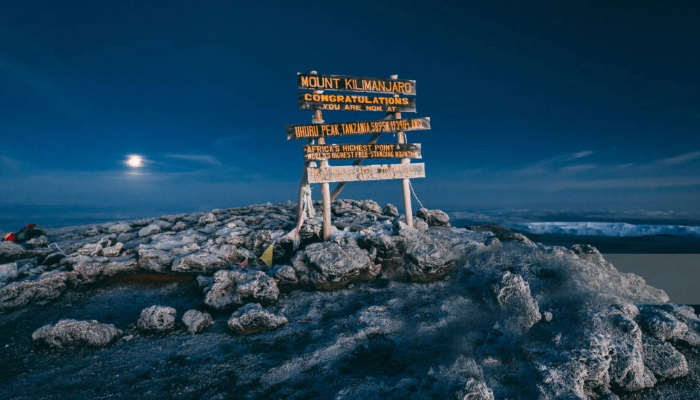
9 Days Kilimanjaro Northern Circuit Tour 2026 - 2027 360° Full Traverse 95% Success

9-Day Northern Circuit Tour

"The Complete Traverse" — 360° Around the Mountain
9 DaysChallengingCampingFrom $2,430
95%Success
~96kmDistance
$2,430From

The crown jewel of Kilimanjaro climbing — the only route that makes a complete circumnavigation of the mountain. From the western Lemosho Gate, the Northern Circuit traverses the full Shira Plateau, crosses to the remote northern face via Moir Hut (4,200m) and Buffalo Camp (4,020m), then ascends to School Hut (4,750m) for the summit push. A genuinely different Kilimanjaro — vast solitude, extraordinary northern terrain, and the mountain's highest success rate.
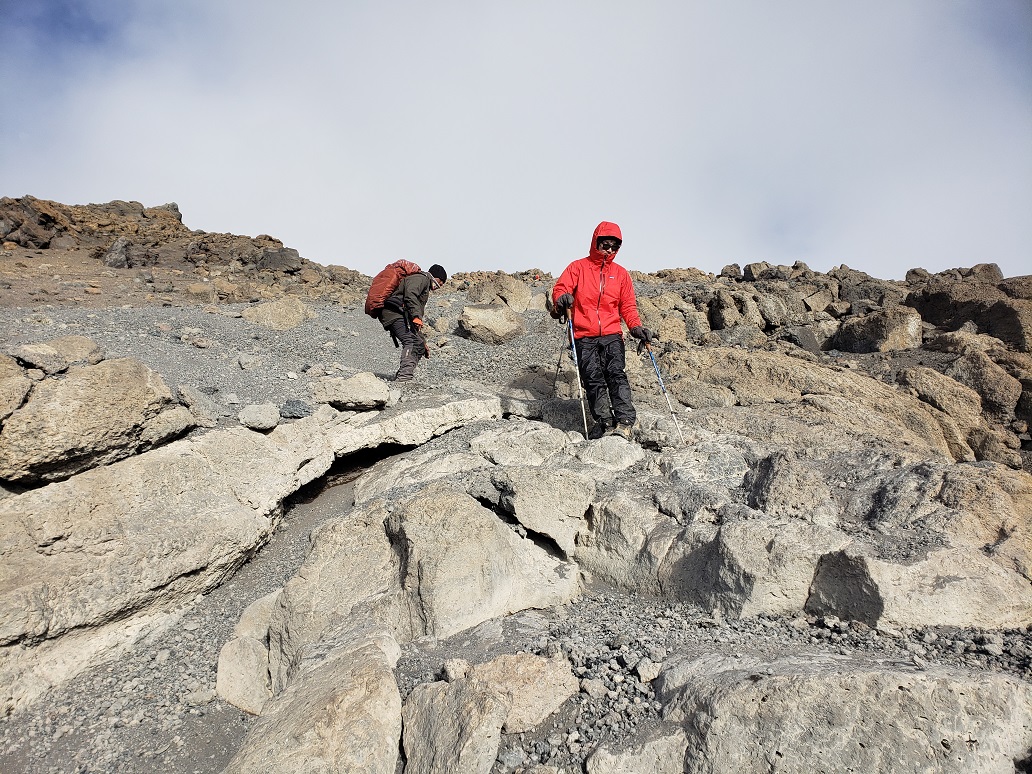
Summit success: 95% — the highest standard-route success rate on Kilimanjaro
9 Days Kilimanjaro Lemosho Route Tour 2026 - 2027 Best Scenery 95% Success

9-Day Lemosho Route Tour

"The Scenic Masterpiece" — Extended Classic Western Route
9 DaysChallengingCampingFrom $2,430
95%Success
~72kmDistance
$2,430From

The 9-day Lemosho is the extended, fully optimised version of Kilimanjaro's most beautiful standard route. The extra days over the 8-day provide additional rest nights in the Shira region and a more relaxed approach to Karanga Camp — achieving the same 95% success rate as the Northern Circuit through a superior acclimatization schedule without the traverse commitment. Barranco Wall, Lava Tower, Karanga, Barafu, Mweka — the complete Lemosho experience at its most relaxed.
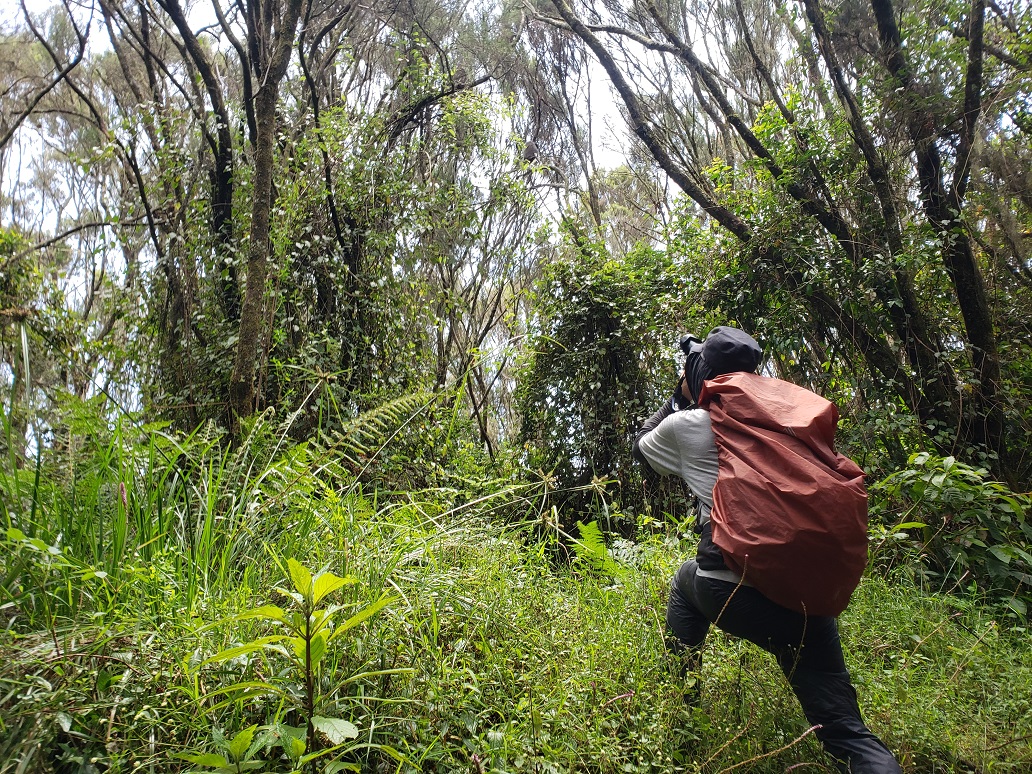
Summit success: 95% — same rate as NC via extended southern classic approach
9 Days Kilimanjaro Londorosi Route Tour 2026 - 2027 Most Remote 95% Success

9-Day Londorosi Route Tour

"The Wild West" — Remotest Gate, Maximum Wildlife
9 DaysChallengingCampingFrom $2,430
95%Success
~74kmDistance
$2,430From

The Londorosi Route enters via the most remote gate on Kilimanjaro — even more isolated than the Lemosho Gate — through pristine western buffer forest where elephant and buffalo are regularly encountered. At 9 days, the Londorosi provides the most relaxed version of this remote approach before joining the Lemosho trail at Shira 1 Camp and following the same optimised itinerary to the summit. Maximum wildlife, maximum remoteness, 95% success.

Summit success: 95% — identical to 9-day Lemosho from Shira 1 Camp onwards
All three routes achieve 95%. The Northern Circuit is the route for those who want the 360° traverse experience and maximum solitude. The Lemosho is the route for those who want the most scenic standard climb. The Londorosi is the route for those who want the most remote gate and maximum wildlife. All three are the same price — choose based purely on the experience you want.
2026 - 2027 All-Inclusive Pricing

9-Day Kilimanjaro Tour Prices 2026 - 2027

All three 9-day routes are the same price. The choice between them is purely experiential — not financial.

Tour PackageRouteHighlightsSuccess RateGroup PriceLuxury PriceBook
9-Day Northern Circuit TourN. CircuitFull 360° traverse, remote northern face95%$2,430$4,500Book Now
9-Day Lemosho Route TourLemoshoBest scenery, western approach, classic95%$2,430$4,500Book Now
9-Day Londorosi Route TourLondorosiMost remote gate, maximum wildlife95%$2,430$4,500Book Now

All prices per person USD. Group = joining departures (max 12). Luxury = private with premium lodge nights. All KINAPA park fees, camping, guides, porters, all meals, Moshi transfers included.

Included in All 9-Day Prices

  • All KINAPA park fees ($70/day entry + $50/night camping + $20 rescue)
  • Premium mountain camping equipment (tents, mats, dining tent, kitchen)
  • KINAPA-certified senior lead guide + assistant guides
  • Licensed KPAP-protected porters (2–3 per climber)
  • All meals throughout (3x daily + hot drinks + trail snacks)
  • Supplemental oxygen + twice-daily pulse oximeter monitoring
  • Return Moshi hotel to gate transfers
  • KINAPA summit certificate issued at gate

Budget Separately

  • Tanzania e-visa — $50 (visa.immigration.go.tz)
  • Travel insurance covering 5,895m altitude — $80–$200
  • Crew gratuities — $300–$450 total (9-day crew)
  • Gear rental from Moshi office (sleeping bags, poles, etc.)
  • International flights to JRO — $800–$1,200
  • Pre/post-climb Moshi accommodation — $20–$100/night
Total Budget (USA origin, 9-day NC)
$2,430 tour + $950 flights + $50 visa + $120 insurance + $370 tips + $80 Moshi = ~$4,000/person
The Definitive 9-Day Experience

9-Day Northern Circuit — Full Day-by-Day Itinerary 2026 - 2027

The complete 9-day Northern Circuit itinerary — the only route on Kilimanjaro that circumnavigates the entire mountain. Eight days of progressive ascent across five ecological zones, a full northern face traverse, School Hut at 4,750m, and a 95% summit success rate.

D1

Lemosho Gate → Big Tree Camp (Mti Mkubwa)

2,100m → 2,750m | 7km | 3–4 hrs
7km 3–4 hrs +650m Big Tree Camp

Transfer from Moshi to Lemosho Gate (2,100m) — a 2–3 hour drive through the lower southern slopes then across to the western buffer zone. The Lemosho Gate feels remote before the first step has been taken — a dirt road approach through buffer forest where buffalo and elephant are sometimes encountered even at the gate. The trail enters dense pristine montane rainforest immediately. Big Tree Camp (2,750m) sits in a natural forest clearing surrounded by ancient trees. A deliberately gentle first day — 3–4 hours with ample time to settle, hydrate, and begin the altitude adaptation that makes the 9-day schedule so effective.

  • Lemosho Gate: the western entry — most remote gate of the three 9-day options
  • Western buffer forest: highest wildlife encounter potential on Kilimanjaro's approaches
  • Big Tree Camp (2,750m): one of the mountain's most beautiful first-night camps
  • Short day intentional — the 9-day's gentler pacing begins immediately
D2

Big Tree Camp → Shira 1 Camp

2,750m → 3,500m | 9km | 5–6 hrs
9km 5–6 hrs +750m Shira 1 Camp

The trail climbs from the dense rainforest through open heathland as the vegetation begins its transformation. Giant heather trees up to 10 metres tall line the upper forest margin. As the path opens into the lower moorland, the Shira Plateau's vast expanse becomes visible ahead — a 13km-wide ancient collapsed volcanic caldera now filled with extraordinary high-altitude vegetation. Shira 1 Camp (3,500m) sits at the very western edge of the plateau. Kibo's summit cone appears on the horizon for the first time — still distant and vast.

  • Forest to heathland transition — the dramatic first vegetation change
  • First views of the Shira Plateau and distant Kibo summit cone
  • Shira 1 Camp (3,500m): two nights in this altitude band across Days 2–3 for the 9-day
D3

Shira 1 → Shira 2 Camp — Full Plateau Crossing

3,500m → 3,840m | 9km | 4–5 hrs
9km 4–5 hrs +340m Shira 2 Camp

The full crossing of the Shira Plateau — one of the world's most extraordinary high-altitude landscapes. The plateau is the eroded caldera of an ancient shield volcano that predates Kibo and Mawenzi by millions of years, now a 3,500m-elevation moorland covered in giant groundsels, lobelias, and heather. The Western Breach glacier walls tower ahead as you cross the plateau. Shira 2 Camp (3,840m) is the last camp before the Northern Circuit's defining divergence from the standard Lemosho path.

  • Full Shira Plateau crossing: ~13km wide, one of Africa's highest and most remarkable tablelands
  • Western Breach glacier walls: first close view of Kibo's southern ice fields
  • Shira 2 Camp (3,840m): tomorrow the Northern Circuit departs from standard routes
  • Optional afternoon acclimatization hike: Shira Cathedral (~3,980m) — 2km, 1 hour
D4

Shira 2 → Lava Tower → Moir Hut — Northern Traverse Begins

3,840m → 4,630m → 4,200m | ~14km | 6–8 hrs
~14km 6–8 hrs +790m / −430m Northern Traverse

The day the Northern Circuit becomes its own route — and the day that distinguishes this experience from every other Kilimanjaro tour. The trail initially climbs southwest toward Lava Tower (4,630m) — a dramatic volcanic monolith at the base of the Western Breach. Here, instead of descending south to Barranco Camp as on the Lemosho route, the Northern Circuit turns northward and the real traverse begins.

The terrain changes immediately and dramatically. The trail traverses across the north-facing slopes of Kibo — exposed, open, and genuinely wild. No fixed trail markers. Far fewer footprints. The landscape becomes increasingly surreal. Moir Hut (4,200m) sits in a remote open plateau on the northern face — a small shelter and designated campsite that sees perhaps 10–15 climbers per day even in peak season versus hundreds on the southern routes. The views north toward Kenya, Amboseli, and the distant plains are extraordinary.

  • Lava Tower (4,630m): acclimatization high point — lunch at 4,630m, sleep at 4,200m
  • Northern divergence from Lemosho: the defining moment of the Northern Circuit
  • Moir Hut (4,200m): remote northern face camp — near-total solitude
  • Views north toward Kenya and Amboseli — not visible from any southern route camp
D5

Moir Hut → Buffalo Camp — Remote Northern Traverse

4,200m → 4,020m | ~10km | 5–6 hrs
~10km 5–6 hrs −180m net NC Traverse Day 2

The most remote and atmospherically extraordinary day on the Northern Circuit. The trail continues across the uninhabited northern face — terrain that most Kilimanjaro climbers will never see. The geology shifts, the views change, and the mountain reveals an entirely different character from the north. Kibo's northern slopes, stripped of the glacier ice that once covered this face, show their volcanic rock structure with unusual clarity.

Buffalo Camp (4,020m) sits on a gently sloping plateau at the bottom of the northeastern slopes — a wild, remote campsite named for the buffalo that once roamed this section of the mountain. The Mawenzi Peak (5,149m) dominates the eastern skyline from Buffalo Camp in a way impossible to appreciate from any southern route. Evening light on the northern face of Kibo, visible from camp, is exceptional for photography.

  • Most remote section of any standard Kilimanjaro trail
  • Buffalo Camp (4,020m): closest other standard climbers come to here is Barranco (3,976m) on the south side
  • Mawenzi Peak panorama from Buffalo Camp: the best Mawenzi views on the mountain
  • Northern face geology: exposed volcanic flanks visible that glaciers once hid
D6

Buffalo Camp → School Hut (Kibo North Huts)

4,020m → 4,750m | ~9km | 5–7 hrs
~9km 5–7 hrs +730m School Hut 4,750m

The final approach to School Hut — the highest pre-summit camp on any Kilimanjaro route. The trail climbs across the northeastern slopes of Kibo through increasingly sparse vegetation and volcanic scree. The altitude becomes strongly noticeable above 4,500m. School Hut (also known as Kibo North Huts, 4,750m) consists of basic stone shelters at the foot of the final summit cone approach — exposed, cold, and magnificent.

School Hut's elevation of 4,750m is 77 metres higher than Barafu Camp (4,673m) on southern routes. That 77m difference means the final summit push from School Hut is correspondingly shorter — a marginal but physiologically meaningful advantage on a night when every metre of unnecessary altitude gain taxes the body severely. The path to the summit from School Hut follows the historic Hans Meyer Route — the same path used by Hans Meyer and Ludwig Purtscheller on Kilimanjaro's first recorded ascent in October 1889.

  • School Hut (4,750m): highest pre-summit camp on any Kilimanjaro route
  • 77m higher than Barafu — shorter final summit push distance
  • Hans Meyer Route: the historic original approach to the summit
  • Rest, eat, drink, sleep — midnight departure 6 hours away
D7

School Hut → Hans Meyer Cave → Uhuru Peak → Horombo Huts

4,750m → 5,895m → 3,720m | ~18km | 12–15 hrs
~18km 12–15 hrs +1,145m Summit Day

Midnight departure (23:00–00:00) from School Hut. Every cold-weather layer goes on. Headlamps on. Hot tea and light snacks. The group ascends in darkness via the Hans Meyer Route — the northern approach to the crater rim used since 1889. Hans Meyer Cave (5,150m) is reached in approximately 3 hours — a lava cave used as a resting point that Hans Meyer himself sheltered in on his 1889 ascent.

The trail continues above the cave, gaining the crater rim where views across the caldera floor open dramatically. The route continues along the crater rim to Uhuru Peak (5,895m) — the highest point in Africa. The summit at 95% success probability — nine days of deliberate preparation culminating in a moment that belongs entirely to the climber and the mountain.

After the summit, full descent begins via the Marangu Route to Horombo Huts (3,720m) — the longest descent day on any Kilimanjaro schedule, covering approximately 18km and 2,175m of altitude loss. Arrive at Horombo in late afternoon. The porter crew's celebration songs carry across the moorland as the group walks in.

  • Hans Meyer Cave (5,150m): 3 hours from School Hut — rest point named for the first summiteer
  • Crater rim approach from the north: different perspective than southern-route approaches
  • Uhuru Peak (5,895m): the Roof of Africa at 95% probability
  • Marangu Route descent to Horombo (3,720m): longest descent in a single day on Kilimanjaro
D8

Horombo Huts → Marangu Gate — Final Descent

3,720m → 1,860m | 20km | 5–6 hrs
20km 5–6 hrs −1,860m Summit Certificate

The final descent from Horombo through moorland and rainforest to Marangu Gate (1,860m). The Northern Circuit is the only 9-day Kilimanjaro tour that descends via the Marangu Route — entering the western forest at the Lemosho Gate and exiting at the southeastern Marangu Gate, having traversed the entire mountain in between. KINAPA summit certificate signed at Marangu Gate. Crew tip ceremony. Transfer back to Moshi.

  • Marangu Gate: the eastern exit — completing the full western-to-eastern traverse
  • KINAPA certificate: Uhuru Peak (5,895m) recorded and signed by ranger
  • Crew tip ceremony — $300–$450 budget recommended for the 9-day crew
  • Transfer from Marangu Gate to Moshi (approximately 45 minutes)

9-Day Northern Circuit — Complete Elevation Profile

GateLemosho Gate
2,100m / 6,890ft
Day 1Big Tree Camp
2,750m / 9,022ft
Day 2Shira 1 Camp
3,500m / 11,483ft
Day 3Shira 2 Camp
3,840m / 12,598ft
Day 4 AMLava Tower
4,630m / 15,190ft (day hike)
Day 4 PMMoir Hut NC only
4,200m / 13,780ft
Day 5Buffalo Camp NC only
4,020m / 13,189ft
Day 6School Hut
4,750m / 15,584ft
Day 7 AMHans Meyer Cave
5,150m / 16,896ft
Day 7Uhuru Peak SUMMIT
5,895m / 19,341ft
Day 7 PMHorombo Huts
3,720m / 12,205ft
Day 8Marangu Gate
1,860m / 6,100ft
Extended Classic Western Route

9-Day Lemosho Route — Itinerary 2026 - 2027

The 9-day Lemosho achieves 95% summit success through an extended schedule with more rest days at key intermediate altitudes. The same beautiful western approach — with the most relaxed possible pacing.

DayStageStartEndDistanceDurationCamp
Day 1Lemosho Gate → Big Tree Camp2,100m2,750m7km3–4 hrsBig Tree Camp
Day 2Big Tree Camp → Shira 1 Camp2,750m3,500m9km5–6 hrsShira 1 Camp
Day 3Shira 1 → Shira 2 Camp (plateau crossing)3,500m3,840m9km4–5 hrsShira 2 Camp
Day 4Shira 2 → Lava Tower (4,630m) → Barranco Camp3,840m3,976m14km6–8 hrsBarranco Camp
Day 5Barranco Wall → Karanga Camp (Night 1)3,976m4,035m~5km4–6 hrsKaranga Camp
Day 6Acclimatization at Karanga Camp (Night 2) — rest day4,035m4,035mOptional hikeRest dayKaranga Camp
Day 7Karanga Camp → Barafu Camp4,035m4,673m~5km3–4 hrsBarafu Camp
Day 8Barafu → Stella Point → Uhuru Peak → Mweka Camp4,673m5,895m → 3,068m~16km12–16 hrsMweka Camp
Day 9Mweka Camp → Mweka Gate3,068m1,640m10km3–4 hrs
9-Day Lemosho Key Feature — Two Karanga Nights: The critical difference between the 9-day and 8-day Lemosho is Day 6 — a dedicated full acclimatization rest day at Karanga Camp (4,035m). Instead of pushing immediately to Barafu the day after arriving at Karanga, the 9-day Lemosho spends a full second night here, with the day free for rest and an optional short acclimatization hike. This provides the most gradual altitude transition on any standard southern-route itinerary — 2 nights at 4,035m before Barafu, versus 1 night on the 8-day.

9-Day Lemosho Route — Elevation Profile

GateLemosho Gate
2,100m / 6,890ft
Day 1Big Tree Camp
2,750m / 9,022ft
Day 2Shira 1 Camp
3,500m / 11,483ft
Day 3Shira 2 Camp
3,840m / 12,598ft
Day 4 AMLava Tower
4,630m / 15,190ft (day)
Day 4 PMBarranco Camp
3,976m / 13,045ft
Day 5Karanga Camp — Night 1
4,035m / 13,238ft
Day 6Karanga Camp — Night 2 9d extra
4,035m / 13,238ft
Day 7Barafu Camp
4,673m / 15,331ft
Day 8Uhuru Peak SUMMIT
5,895m / 19,341ft
Day 8 PMMweka Camp
3,068m / 10,065ft
Day 9Mweka Gate
1,640m / 5,380ft
Most Remote 9-Day Option

9-Day Londorosi Route — Itinerary 2026 - 2027

The Londorosi Gate is the most remote entry point on all of Kilimanjaro. The 9-day Londorosi joins the Lemosho trail at Shira 1 and from there follows an identical itinerary to the 9-day Lemosho — same camps, same acclimatization profile, same 95% success rate. The Londorosi difference is purely in Days 1–2.

DayStageStart Alt.End Alt.DistanceCamp
Day 1Londorosi Gate → Big Tree Camp (deeper western forest)2,100m2,750m7kmBig Tree Camp
Day 2Big Tree Camp → Shira 1 Camp (joins Lemosho trail)2,750m3,500m9kmShira 1 Camp
Day 3–9Identical to 9-Day Lemosho itinerary from Shira 1 onwards (see above)As Lemosho
Londorosi 9-Day at its best: With 9 days, the Londorosi approach is completely unhurried — a gentle half-day walk through the most remote section of Kilimanjaro's western forest before joining the standard path. Elephant, buffalo, and colobus monkey encounters are highest probability here. The Londorosi Gate is accessed via a more remote forest track than even the Lemosho Gate, passing through territory that sees minimal vehicle traffic. At 9 days, there is no pace pressure — the wilderness delivers itself at the mountain's own speed.
360° Kilimanjaro Circumnavigation

The Northern Circuit Traverse — Camp by Camp

The Northern Circuit enters from the west, crosses the Shira Plateau, turns north at Lava Tower, traverses the remote northern face, and descends via the southeastern Marangu Route — a complete circumnavigation of the entire mountain that no other route achieves.

Lemosho Gate (Day 1 start)

2,100m — Western face, rainforest zone

Entry into the pristine western buffer forest. Elephant and buffalo territory. The most remote gate start on all of Kilimanjaro.

Big Tree Camp (Day 1)

2,750m — Upper rainforest

First camp in the giant forest clearing. Endemic birds, colobus monkeys, and the authentic Kilimanjaro western approach experience.

Shira 1 Camp (Day 2)

3,500m — Western Shira Plateau edge

First night on the plateau. The landscape opens from forest to wide heathland. Kibo's summit visible ahead for the first time.

Shira 2 Camp (Day 3)

3,840m — Central Shira Plateau

Full plateau crossing complete. Western Breach glacier walls visible at close range. The Northern Circuit diverges from Lemosho tomorrow.

Moir Hut (Day 4) — Northern Traverse Begins

4,200m — Remote northern face

After Lava Tower acclimatization, the NC turns north. Genuine wilderness — the southern face crowds disappear entirely. Panoramic northern Kenya views.

Buffalo Camp (Day 5) — Northern Traverse

4,020m — Uninhabited northeastern slopes

The most remote camp on any standard Kilimanjaro route. Mawenzi Peak towers to the east. Kibo's northern volcanic flanks fully visible. Near-total solitude.

School Hut (Day 6) — Pre-Summit

4,750m — Highest pre-summit camp on Kilimanjaro

School Hut is 77m higher than Barafu. The Hans Meyer Route — the original summit path — begins here. Rest, eat, sleep. Midnight departure in 6 hours.

Uhuru Peak (Day 7) — The Summit

5,895m — Highest point in Africa

Via Hans Meyer Cave (5,150m) and the crater rim. The Roof of Africa. Achieved at 95% probability — the highest success rate on any standard Kilimanjaro route.

Horombo Huts (Day 7 descent)

3,720m — Marangu Route, eastern face

Descending the Marangu Route — the eastern face of the mountain. The only 9-day tour that descends a completely different face from the ascent.

Marangu Gate (Day 8)

1,860m — Eastern gate exit

Certificate collected. The traverse complete — from the western Lemosho Gate to the eastern Marangu Gate, the entire mountain circumnavigated.

Why the Northern Circuit is unlike any other Kilimanjaro route: The traversal from Shira 2 northward on Day 4 takes you into terrain that no other standard route visits. Moir Hut and Buffalo Camp are separated from the southern face camps by the full width of Kibo's northern and northeastern slopes — terrain that only NC climbers traverse. Over 9 days, this full circumnavigation provides a complete understanding of Kilimanjaro's character that a single-approach-and-descent route cannot.
Fixed Group Departures

9-Day Kilimanjaro Tour Departure Dates 2026 - 2027 — All 12 Months

Group joining departures for all three 9-day routes throughout 2026 - 2027. Guaranteed to run regardless of group size. Private tours available on any date.

January 2026 - 2027

Secondary Dry Season
Departures: 3rd · 12th · 21st · 30th — Northern Circuit, Lemosho, Londorosi

February 2026 - 2027

Secondary Dry Season
Departures: 7th · 16th · 25th — All three routes. Excellent conditions.

March 2026 - 2027

Shoulder Season
Departures: 7th · 17th · 27th — Northern Circuit, Lemosho, Londorosi

April 2026 - 2027

Long Rains
Departures: 11th · 25th — Northern Circuit preferred (drier northern traversal). All routes available.

May 2026 - 2027

Long Rains
Departures: 9th · 23rd — Northern Circuit recommended. Lemosho/Londorosi available.

June 2026 - 2027

Peak Season Begins
Departures: 6th · 16th · 26th — All three routes. Book ahead for June.

July 2026 - 2027

Peak Season
Departures: 4th · 14th · 24th — All routes. Book 3–4 months ahead for July departures.

August 2026 - 2027

Peak Season
Departures: 1st · 11th · 21st · 31st — All routes. Most popular month.

September 2026 - 2027

Excellent Conditions
Departures: 5th · 15th · 25th — All routes, declining crowds

October 2026 - 2027

Excellent Conditions
Departures: 3rd · 13th · 23rd — All routes available

November 2026 - 2027

Short Rains
Departures: 7th · 21st — Northern Circuit most viable. Lemosho/Londorosi available.

December 2026 - 2027

Festive Season
Departures: 5th · 15th · 26th — All routes. Christmas and New Year specials available.
Booking lead time for 9-day tours: The 9-day Northern Circuit is our highest-value individual tour and fills fastest in peak season (July–August). We recommend booking 3–4 months ahead for any July–August 9-day departure. Contact us via WhatsApp (+255 760 096 715) to confirm specific dates and group availability.
The Top of the Range

9-Day Kilimanjaro Success Rates — The Full Picture 2026 - 2027

95% summit success on all three 9-day routes. The compounding physiology of 8 progressive acclimatization nights delivers this result — here is the complete analysis.

9-Day Success vs All Durations

9-Day NC / Lemosho / Londorosi95%
8 progressive acclimatization nights — the gold standard
8-Day Lemosho / NC (comparison)92–93%
2nd Karanga night vs 9-day's 3rd: 2–3% gap
7-Day Machame / Lemosho90%+
The world's most popular standard — 5% below 9-day
6-Day Machame85–87%
10% below 9-day — acclimatization deficit

The Acclimatization Science Behind 95%

The 9-day Northern Circuit's 95% success rate emerges from the compounding effect of three physiological advantages operating simultaneously:

  • Altitude breadth: The NC's traverse of the northern face at 4,000–4,200m provides altitude exposure at a different horizontal band than the southern routes — broadening the body's acclimatization response across multiple face directions and weather exposures
  • Temporal depth: 8 nights of progressive altitude conditioning versus 5 nights on a 6-day tour. Each night triggers measurable increases in erythropoietin and haemoglobin concentration
  • Pre-summit elevation: School Hut (4,750m) provides a 77m advantage over Barafu (4,673m) — arriving at the summit push already adapted to 77m more altitude

Additionally, the 9-day's relaxed pacing means summit night is reached with less cumulative physical fatigue than on shorter schedules — a factor our guides consistently identify as the clearest physical indicator of summit day performance.

95% in context: To put the number in perspective — the average Kilimanjaro success rate across all operators and all routes is approximately 65%. The 9-day Afro-Vertex tour at 95% represents a 30-percentage-point advantage over the industry average. This is entirely attributable to route selection, duration, guide expertise, and health monitoring protocols.
When to Go

Best Time for 9-Day Kilimanjaro Tours 2026 - 2027

9-day tours run year-round. At 9 days, you have the schedule to optimise every aspect of your timing.

Best Season

January–March

The secondary dry season delivers exceptional conditions for 9-day tours. January and February in particular — identical weather to peak season with 40–50% fewer climbers on the trail. The Northern Circuit's northern face section sees almost no other groups in January–February even when the southern routes are moderately busy. Our absolute top recommendation for the 9-day NC experience.

Jan · Feb · Mar
Peak Season

June–October

Main dry season — best weather of the year across all routes. July and August peak season brings high group energy and optimal conditions. September and October maintain peak quality with noticeably fewer southern-route climbers. The NC's northern face is genuinely quiet even in August peak season — a significant advantage over the busier Machame and Lemosho routes at the same time.

Jun · Jul · Aug · Sep · Oct
Viable

November–December

November short rains are manageable at 9 days — the Northern Circuit's northern face traversal remains noticeably drier than southern routes. Late December is excellent for festive season departures on all three 9-day routes, with Christmas and New Year summit timing available.

Nov · Dec
NC Recommended

April–May

Long rainy season. The Northern Circuit is the best wet-season 9-day option — its northern face traversal stays significantly drier than the Lemosho or Londorosi southern sections. If you must climb in April–May, the 9-day NC is our recommendation over the western approaches.

Apr · May — NC recommended
Expedition Preparation

Training for a 9-Day Kilimanjaro Tour 2026 - 2027

The 9-day's gentler pacing reduces daily physical demands — but the altitude and mental challenge of summit night remain identical to shorter tours. Three to four months of intentional training is essential.

Sustained Cardiovascular Training

Build to 45–60 minutes of moderate-intensity cardio 4–5 days per week for 3–4 months. Running, cycling, or rowing. The 9-day involves approximately 50–60 hours of walking over 8 trekking days. Your aerobic base determines how efficiently your body processes limited oxygen at 5,000m+.

Long Day Hikes — Weekly

Build to 18–24km day hikes with a 7–8kg pack every weekend for the final 8–10 weeks. Include 600–800m cumulative elevation gain. The 9-day Northern Circuit covers approximately 96km with 4,000m+ total gain — your legs need specific endurance conditioning that no gym exercise replicates.

Incline Specificity

2–3 sessions per week of sustained incline work — stairclimber, steep treadmill, or outdoor hill repeats. Kilimanjaro ascent is continuous uphill at varying grades. Quadriceps, glutes, and hip flexors need both strength and endurance for 8 trekking days at altitude.

Descent-Specific Strength

Eccentric leg exercises — slow step-downs, single-leg squats, Nordic hamstring curls. The 9-day descent from summit includes 4,255m on Day 7–8 (Mweka Route) or 4,035m via Horombo and Marangu on the NC. Unprepared knees fail catastrophically on these descents.

Boot Break-In — Start Now

Wear your summit boots on every training hike beginning immediately — at minimum 8 weeks before departure. New boots on any Kilimanjaro tour at any duration cause the most preventable injuries. The 9-day's longer daily stages make proper break-in even more critical.

Pre-Acclimatization

Any altitude exposure above 3,000m in the 6 months before your climb meaningfully improves your Kilimanjaro physiology. Alpine hiking, skiing above 3,500m, or Mount Meru pre-acclimatization (highly recommended — Meru summit at 4,566m provides ideal pre-Kili altitude conditioning).

Complete Medical Preparation

Schedule a medical consultation 6–8 weeks before departure. Discuss Diamox (Acetazolamide) for altitude prevention, cardiovascular fitness, and any prescription medications. A VO2 max test if available provides a useful aerobic fitness baseline. For climbers over 55, a full cardiac assessment is recommended before any 5,000m+ expedition.

Mental Training for Summit Night

Summit night on the 9-day NC — 12–15 hours in cold and thin air — remains the defining mental challenge regardless of how well-prepared you are physically. Deliberate mental rehearsal of continuing through significant discomfort, specific visualisation of the summit, and practising mindfulness under physical stress all contribute to summit night performance in measurable ways.

What to Bring — 9-Day Expedition

9-Day Kilimanjaro Packing List 2026 - 2027

Nine days means more gear than shorter tours — extra socks, extra fuel for power banks, and generous hygiene supplies. This is the complete expedition-level gear list.

Upper Body

  • Moisture-wicking base layer tops (x3)
  • Thermal long-sleeve layer (x2)
  • Fleece or softshell mid-layer
  • Insulated summit jacket (−10°C rated)
  • Waterproof windproof shell jacket
  • Light hiking shirts (x3)

Lower Body

  • Thermal base layer leggings (x2)
  • Trekking trousers (x3 pairs)
  • Waterproof shell trousers
  • Comfortable camp trousers

Head, Neck & Hands

  • Warm insulated beanie hat
  • Sun hat (wide brim for plateau sections)
  • Balaclava — mandatory summit night
  • Neck gaiter or buff (x2)
  • Lightweight liner gloves
  • Waterproof insulated mittens

Footwear

  • Waterproof ankle boots (thoroughly broken-in)
  • Camp sandals (9 evenings — essential comfort)
  • Merino wool hiking socks (7 pairs)
  • Liner socks (3 pairs)
  • Two trekking poles — essential for NC terrain
  • Gaiters (summit and northern face traversal)

Sleeping

  • Sleeping bag −15°C to −20°C rated
  • Sleeping bag liner
  • Headlamp + 4 spare battery sets
  • Ear plugs (9 camp nights)
  • Eye mask

Bags

  • Day pack 25–30L (slightly larger for NC)
  • Duffel bag 70–85L (porter, max 15kg)
  • Waterproof rain covers for both
  • Multiple dry bags for daily organisation
  • Ziplock bags labelled by day/category
  • Small padlock for duffel

Health & Sun

  • Sunscreen SPF 50+ (2–3 tubes for 9 days)
  • UV400 glacier sunglasses (essential on plateau)
  • Lip balm with SPF
  • Blister care — generous Compeed supply
  • Diamox if prescribed by doctor
  • Ibuprofen / paracetamol / anti-nausea
  • Biodegradable soap, shampoo, toothbrush
  • Hand sanitiser + generous wet wipes supply

Water, Food & Documents

  • Water bottles / bladder (3–4L capacity)
  • Insulated bottle for summit night
  • Electrolyte sachets (9-day supply)
  • High-energy snacks (generous — 9 days)
  • Passport (gate check-in required)
  • Travel insurance documents
  • 3–4 fully charged power banks
  • USD cash for tips ($300–$450)
Afro-Vertex Provides on All 9-Day Tours: Premium mountain tents, sleeping mats, dining tent, kitchen equipment, all meals (3x daily + hot drinks throughout every day), emergency oxygen, twice-daily pulse oximeter monitoring, first-aid kit, and return Moshi transfers. Gear rental from our Moshi office: sleeping bags $30, hiking boots $30, trekking poles $10, summit jacket $10. Pre-book when confirming your tour to guarantee availability and correct sizing.
Every Question Answered

9-Day Kilimanjaro Tour — Frequently Asked Questions 2026 - 2027

The most searched questions about 9-day Kilimanjaro tours — answered by the Afro-Vertex guide team in Moshi.

What is the summit success rate on a 9-day Kilimanjaro tour?

95% — the highest summit success rate available on any standard Kilimanjaro route. All three 9-day routes (Northern Circuit, Lemosho, and Londorosi) achieve this rate with Afro-Vertex's KINAPA-certified guides and health monitoring protocols. This compares to 92–93% on 8-day tours, 90%+ on 7-day tours, and an industry-wide average of approximately 65% across all operators, routes, and durations. No standard Kilimanjaro itinerary reliably outperforms the 9-day.

What is the Northern Circuit on Kilimanjaro?

The Northern Circuit is Kilimanjaro's only route that makes a complete 360° circumnavigation of the entire mountain. Entering from the western Lemosho Gate, it crosses the Shira Plateau, then diverges northward at Lava Tower, traversing the remote and uninhabited northern face via Moir Hut (4,200m) and Buffalo Camp (4,020m) before ascending to School Hut (4,750m) — the highest pre-summit camp on any Kilimanjaro route. The summit push follows the historic Hans Meyer Route, then descends via the southeastern Marangu Route. It is the only route that enters and exits via different gates, with the entire mountain traversed between them.

How much does a 9-day Kilimanjaro tour cost in 2026 - 2027?

9-day Kilimanjaro group tours with Afro-Vertex cost $2,430 per person all-inclusive for all three routes (Northern Circuit, Lemosho, Londorosi). The price fully includes all KINAPA park fees (entry, camping, rescue), certified guides, licensed porters, all camping equipment, all meals, and Moshi transfers. Luxury private tours available from $4,500. Additionally budget for crew gratuities ($300–$450), Tanzania e-visa ($50), and travel insurance ($80–$200). Total per-person budget from USA: approximately $4,000.

Is 9 days better than 8 days for Kilimanjaro?

Yes — the 9-day achieves 95% vs 92–93% on the 8-day (a 2–3% improvement) through two key advantages: the 9-day Lemosho adds a complete rest day at Karanga Camp (4,035m) for a second full acclimatization night, while the Northern Circuit adds Moir Hut traversal for exposure to 4,200m before Buffalo Camp. Both provide additional altitude conditioning nights above 4,000m. Cost difference is $270 per person over the 8-day equivalent — the same marginal premium that separates every duration tier upgrade on Kilimanjaro.

Which 9-day route should I choose — Northern Circuit, Lemosho, or Londorosi?

All three achieve 95% and cost $2,430. The choice is experiential: Northern Circuit for the full 360° mountain traverse, remote northern face solitude, and the unique entry/exit at different gates. Lemosho for the most scenic standard Kilimanjaro experience — western forest, Shira Plateau, Barranco Wall, and Mweka descent. Londorosi for maximum remoteness at the gate and the highest wildlife encounter probability on the approach. Our guide team's top recommendation is the 9-day Northern Circuit — it provides the most complete Kilimanjaro experience available at any duration and price point.

What happens on the Northern Circuit that doesn't happen on other routes?

After crossing the Shira Plateau, the Northern Circuit turns north at Lava Tower — leaving the standard southern-face routes entirely. It then traverses the remote northern and northeastern slopes of Kibo via Moir Hut (4,200m) and Buffalo Camp (4,020m) — terrain that no other standard route visits. The northern face has completely different geology, different vegetation, and almost no other climbers even in peak season. The summit is reached via the Hans Meyer Route (the original 1889 first-ascent path), and the descent uses the Marangu Route to Marangu Gate — a completely different gate and face from the western entry. You traverse the entire mountain.

Can beginners do a 9-day Kilimanjaro tour?

Yes — all three 9-day routes are appropriate for well-prepared beginners with no prior high-altitude experience. The 9-day's more relaxed pacing and superior acclimatization profile actually makes it better for beginners in terms of altitude adaptation than shorter durations. Good cardiovascular fitness, 3–4 months of specific hiking training, and following your guide's instructions are the key prerequisites. No technical climbing experience is required on any of the three 9-day routes. The Northern Circuit's terrain is no more technically demanding than the Lemosho Route.

What does School Hut look like on the Northern Circuit?

School Hut (also called Kibo North Huts) consists of basic stone shelter structures at 4,750m on the northeastern slopes of Kibo — deliberately simple facilities appropriate for the highest pre-summit camp on the mountain. It is exposed to wind from the north, significantly colder than Barafu on calm nights, and offers no running water. Toilets are available. Sleeping is in huts or tents depending on group size and configuration. The camp's position offers extraordinary views of the northern volcanic flanks and, on clear evenings, lights of Moshi visible 4,000m below. Everything feels very exposed — and very close to the summit.

Is the 9-day Kilimanjaro tour worth the extra cost over 7 or 8 days?

For climbers who can accommodate the schedule: yes. The 9-day costs $270 more than the 8-day ($2,430 vs $2,160) and $540 more than the 7-day ($2,430 vs $1,890). For those extra days and dollars you get: a 5% improvement in summit success over the 7-day, the most complete Kilimanjaro experience available, near-total solitude on the NC's northern traverse, and the confidence of the best acclimatization schedule on the mountain. If maximum success is a genuine priority and your schedule can accommodate 10+ days in Tanzania — the 9-day is the correct choice without reservation.

How does Afro-Vertex monitor health on the 9-day tour?

Our KINAPA-certified guides perform twice-daily pulse oximeter monitoring on all 9-day tours — once in the morning and once in the evening at every camp from Day 2 onwards. Blood oxygen saturation (SpO2) and heart rate are recorded for every climber at every check. AMS symptoms (headache, nausea, fatigue, dizziness, loss of appetite) are also assessed verbally at each monitoring session. Supplemental oxygen is carried on every expedition for emergency use. If a climber's readings indicate significant deterioration, descent is initiated immediately — this is non-negotiable regardless of summit day proximity.

Book the Ultimate Kilimanjaro Experience

Three routes. 95% summit success. All-inclusive from $2,430. The highest summit probability on Africa's highest peak. Our Moshi team confirms bookings within hours.

9-Day NC — $2,430 9-Day Lemosho — $2,430 WhatsApp to Book All Packages